

Category: Branding
Branding explores how organizations build, communicate, manage, and protect their identities over time. Coverage includes brand strategy, positioning, naming, visual identity, reputation, rebranding, brand equity, and the relationship between perception and long-term value.
-
The Difference Between Brand Strategy and Brand Identity
Brand strategy and brand identity are distinct yet interrelated aspects of branding. Strategy determines a brand’s market position and direction, while identity translates this into recognizable elements. Confusion often arises when organizations focus on visual identity without addressing strategic needs. A strong brand requires coherence between both elements for lasting impact.
-
Why Brand Awareness Is Not the Same as Brand Strength
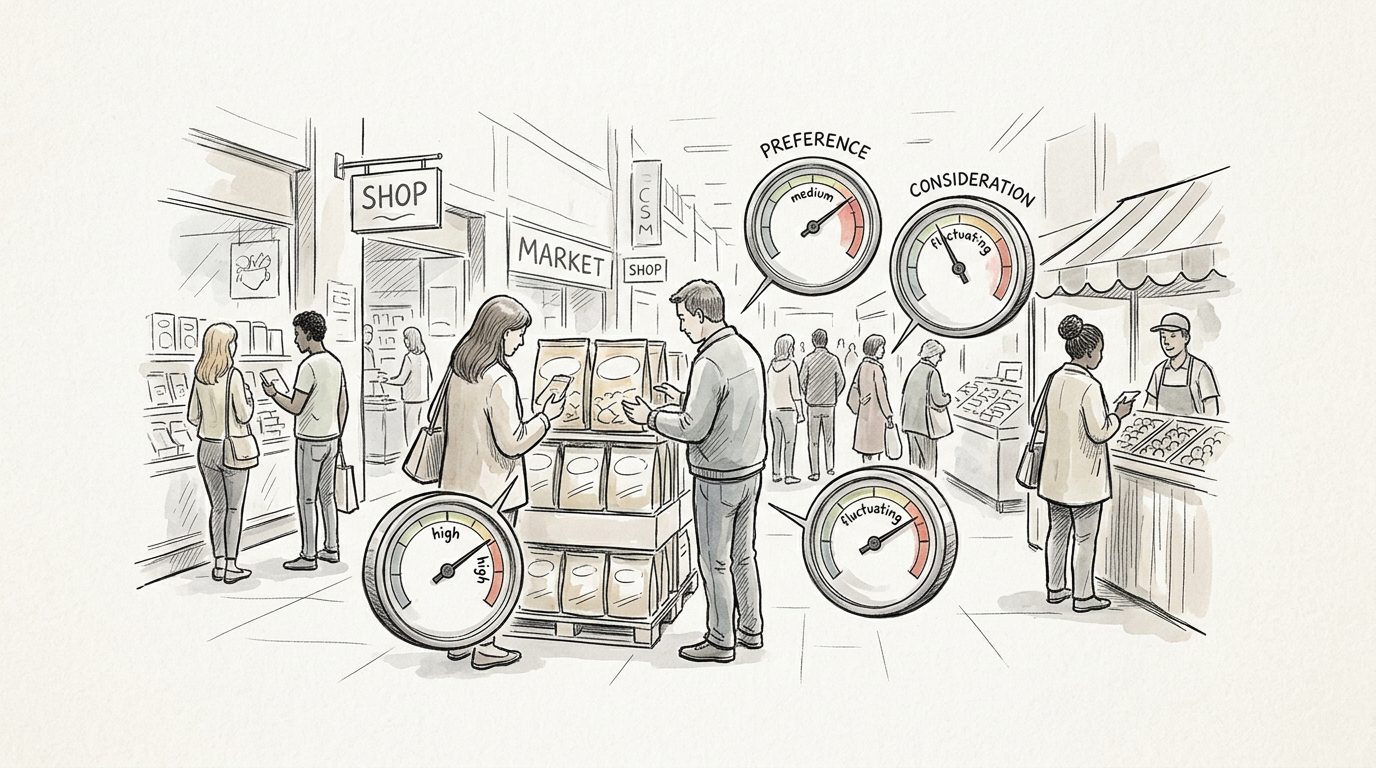
Brand awareness is an important marketing metric, but it doesn’t fully reflect brand strength. Recognized brands may lack trust, relevance, or consideration. Effective branding requires understanding the relationship between awareness, consideration, and preference. Brand strength encompasses quality associations and consumer confidence, influencing purchasing behavior more than mere recognition.
-

How Brand Positioning Shapes Consumer Perception
Brand positioning is a strategic choice that defines how a brand is understood relative to alternatives for a specific audience. It influences product claims, pricing, and customer experience, shaping consumer perception. Clear positioning distinguishes a brand in competitive environments, requiring coherence across all brand expressions, rather than relying solely on advertising or identity changes.
-

How Brand Recognition Is Built Over Time
Brand recognition develops gradually through repeated exposure to distinctive cues across various contexts, rather than as an immediate result of marketing efforts. Effective branding requires consistency in identity, messaging, and consumer experience, with cumulative memory links reinforcing recognition. Organizations should focus on maintaining and utilizing recognizable cues over time to strengthen brand identification.
-

What Makes a Brand Distinctive
Brand distinctiveness and differentiation are separate strategies in branding. Distinctiveness focuses on how easily a brand can be recognized, while differentiation addresses why it matters. Strong brands utilize recognizable cues that help customers attribute communication accurately and reinforce memory over time. Effective brand management ensures the continuity of these distinctive assets, improving recognition and brand…
-

Why Brand Purpose Can Help or Hurt
Brand purpose is crucial in brand management, impacting strategy, culture, and reputation. It can strengthen or damage trust based on alignment with organizational actions. Effective purpose guides decisions and is evidenced by behavior, while ineffective claims may lead to skepticism. Successful branding integrates purpose into operations, enhancing credibility and consumer trust.
-

What Brand Equity Really Means
Brand equity varies in definition across marketing contexts, influencing significant business decisions. It encompasses consumer-based equity, focusing on meaning and perception, and financial brand equity, relating to commercial value. Understanding brand equity requires recognizing its multifaceted nature, as no single metric fully captures its complexity. Accurate measures can inform effective brand strategies.
-

How Brand Trust Is Built
Brand trust is a cumulative judgment formed through consistent experiences that align with expectations. It relies on reliability, transparency, and competence, which cannot be replaced by marketing tactics alone. Trust develops over time, requiring proof of performance and internal alignment across organizations, making it essential for long-term brand equity and customer loyalty.
-
How Brand Associations Shape Meaning
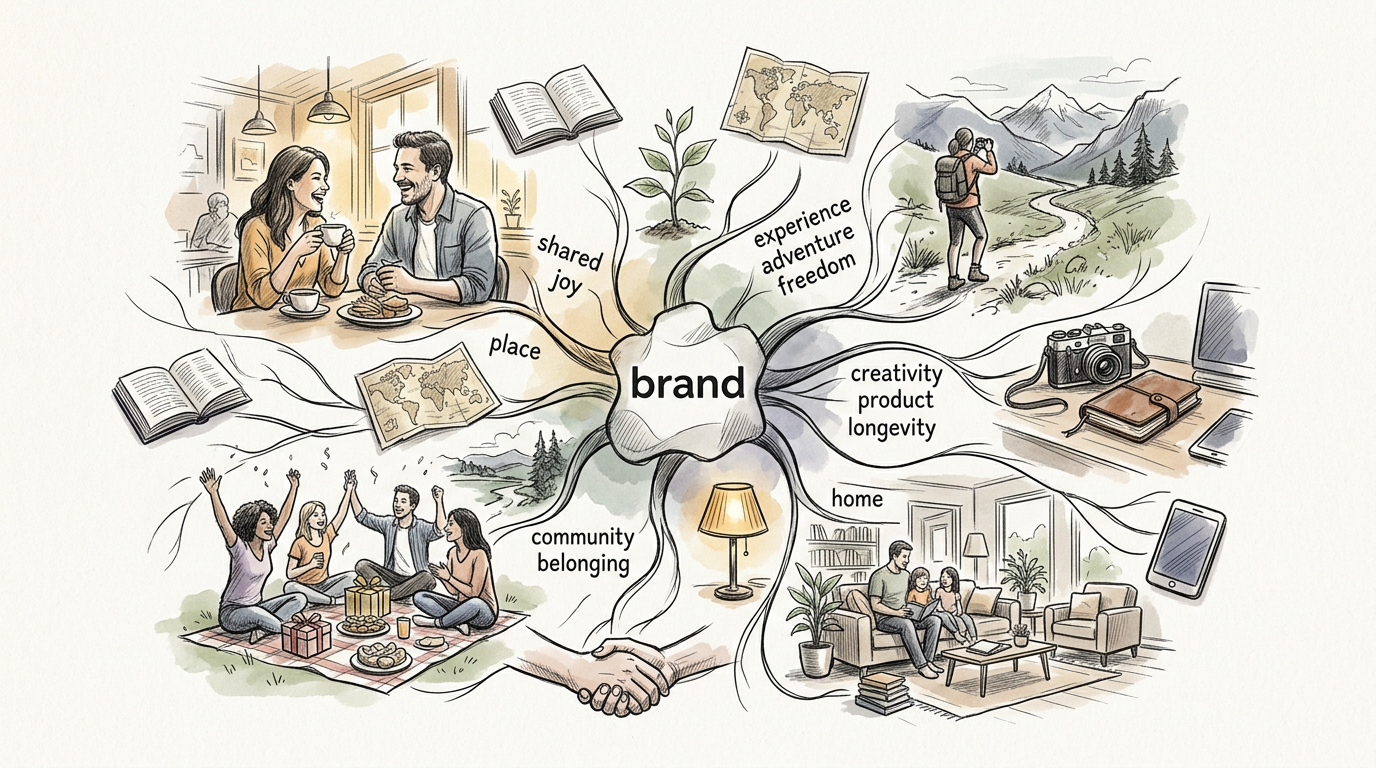
Brand associations, forming through cumulative experiences and perceptions, shape a brand’s meaning beyond mere visual identity or messaging. Effective branding requires managing these associations intentionally while acknowledging the uncontrolled nature of audience interpretation. Success lies in recognizing the importance of experiences, cultural context, and the evolving landscape of consumer perception over time.