
Category: Advertising History
Advertising History examines the campaigns, agencies, personalities, technologies, creative movements, and business practices that shaped the advertising profession. The section connects historical developments with the ideas, institutions, and practices that continue to influence advertising today.
-
How Social Media Turned Platforms Into Advertising Businesses
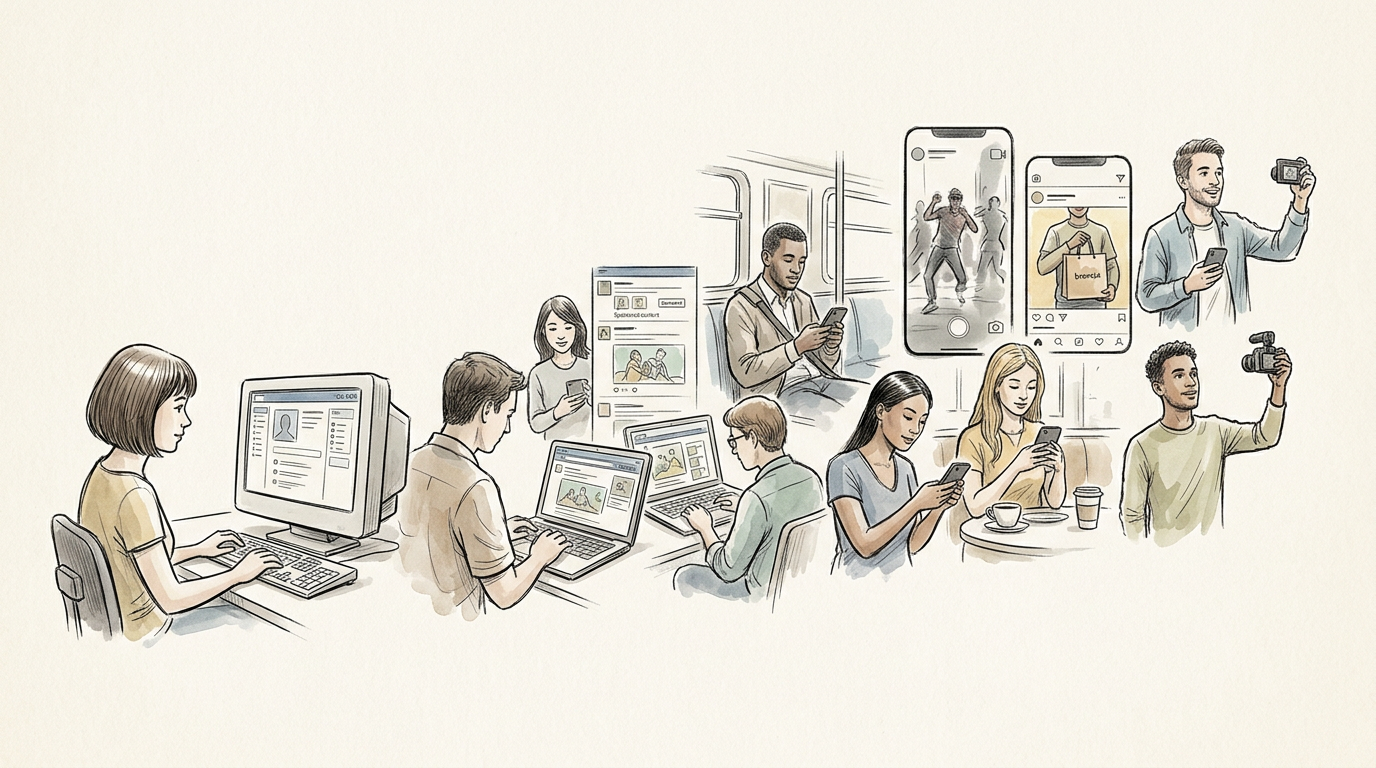
Social media evolved from user-driven networks to powerful advertising platforms by integrating user identity into targeting systems. Platforms like Facebook transformed advertising by merging ads with user content, emphasizing engagement metrics, and empowering small advertisers through self-service tools. This shift has reshaped advertising practices, measurement, and regulatory scrutiny in the digital age.
-

How Targeted Advertising Created a New Privacy Debate
Advertising evolved significantly with the advent of advanced data collection technologies, marking a transition from broad audience targeting to precise individual-level targeting. This shift sparked privacy debates as the industry expanded its data collection methods, transforming consumer observation and regulatory responses. Key events, like the DoubleClick controversy, revealed the complexities and risks of data-driven advertising,…
-

How Programmatic Buying Automated Digital Advertising
Programmatic buying evolved over two decades to address issues in digital advertising, transforming media buying through automation, data utilization, and real-time bidding. This shift redefined agency operations, publisher dynamics, and pricing models while raising concerns about transparency, fraud, and brand safety. Ultimately, programmatic’s impact reshaped advertising practices and market structures.
-
How Product Placement Blurred the Line Between Advertising and Entertainment
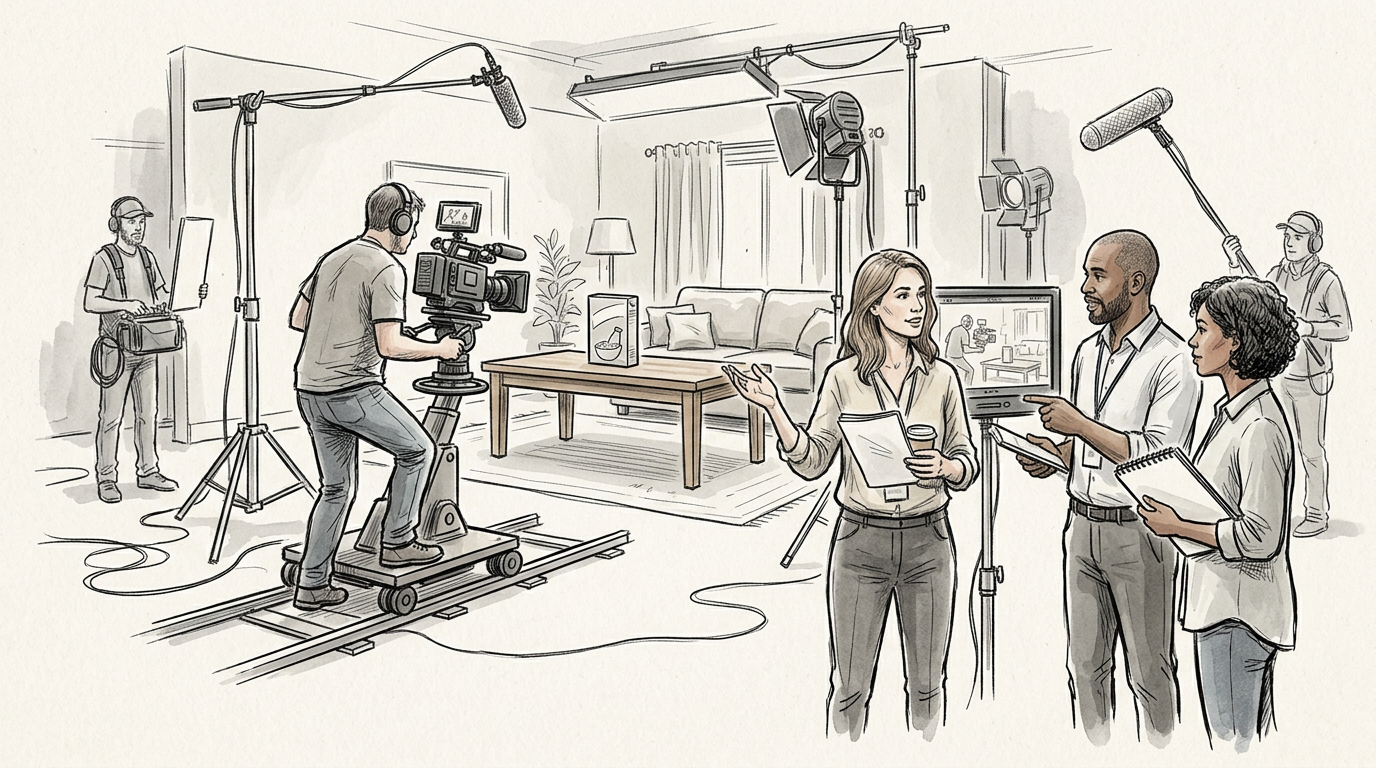
Product placement evolved from early brand integrations in entertainment to a complex marketing strategy that intertwines products with storytelling. As advertisers adapted to viewer resistance, they utilized placements to foster emotional connections and enhance realism. This practice reshaped the advertising landscape, prompting ongoing debates about transparency, authenticity, and consumer awareness.
-

How Search Advertising Changed the Economics of Advertising
Search advertising revolutionized the advertising landscape, shifting from traditional audience-based models to a cost-per-click system that monetizes user intent. It enabled precise performance measurement, democratized access for small advertisers, and shifted platform dynamics. This evolution fundamentally changed how campaigns were managed and evaluated, emphasizing real-time optimization and measurable outcomes.
-

How the First Banner Ads Changed Advertising
The first banner ads, launched in 1994 by HotWired, revolutionized digital advertising by establishing a measurable and interactive format that integrated user response directly. Although simple, these ads transformed online media by introducing a commercial logic that allowed advertisers to quantify audience engagement, ultimately shaping the future of digital marketing.
-
How Cable Television Changed Audience Targeting
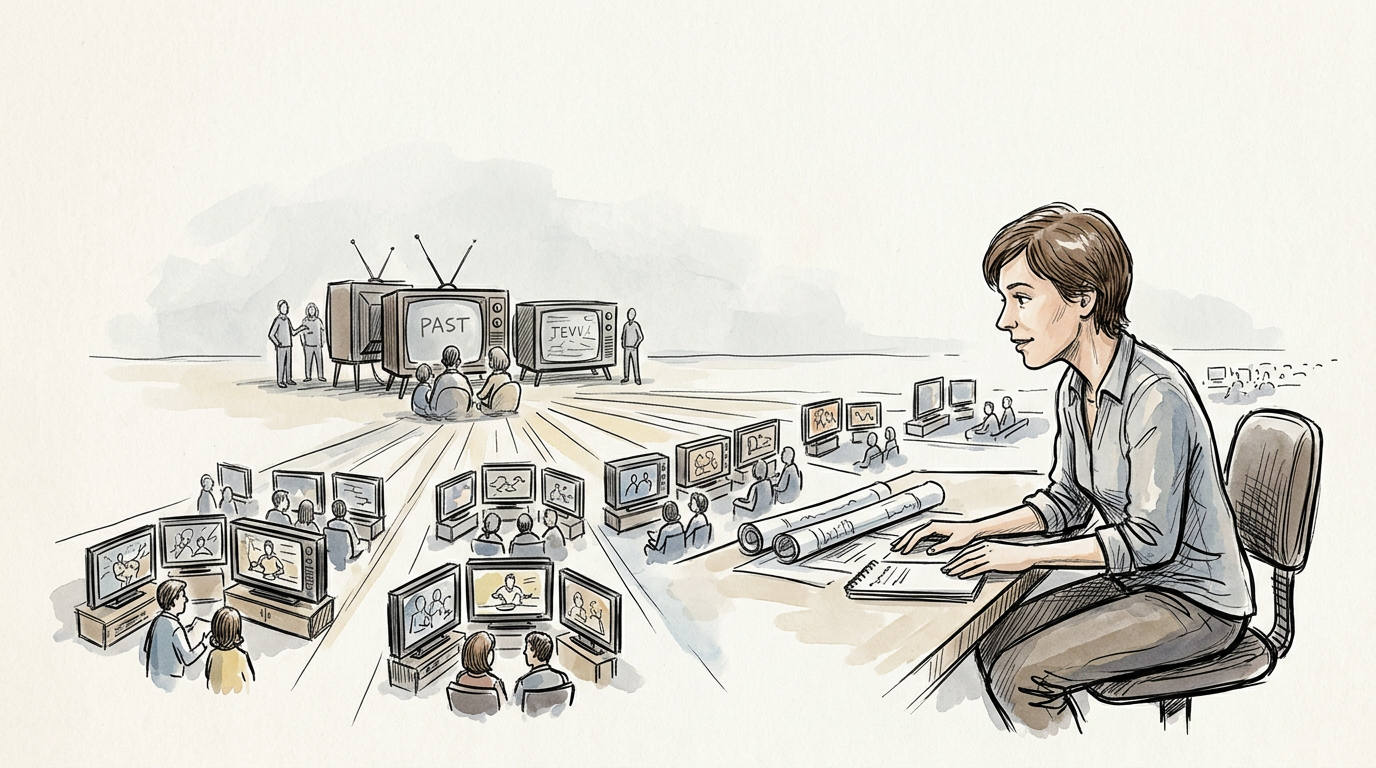
Television advertising shifted dramatically with the rise of cable, moving from mass broadcasting to a focused, segmented approach. This change allowed advertisers to target specific demographics more efficiently and adapt creative strategies to match distinct viewing contexts. Consequently, media planning evolved to prioritize audience composition over sheer scale, laying the groundwork for modern advertising strategies.
-
How Media Buying Became a Specialized Agency Business
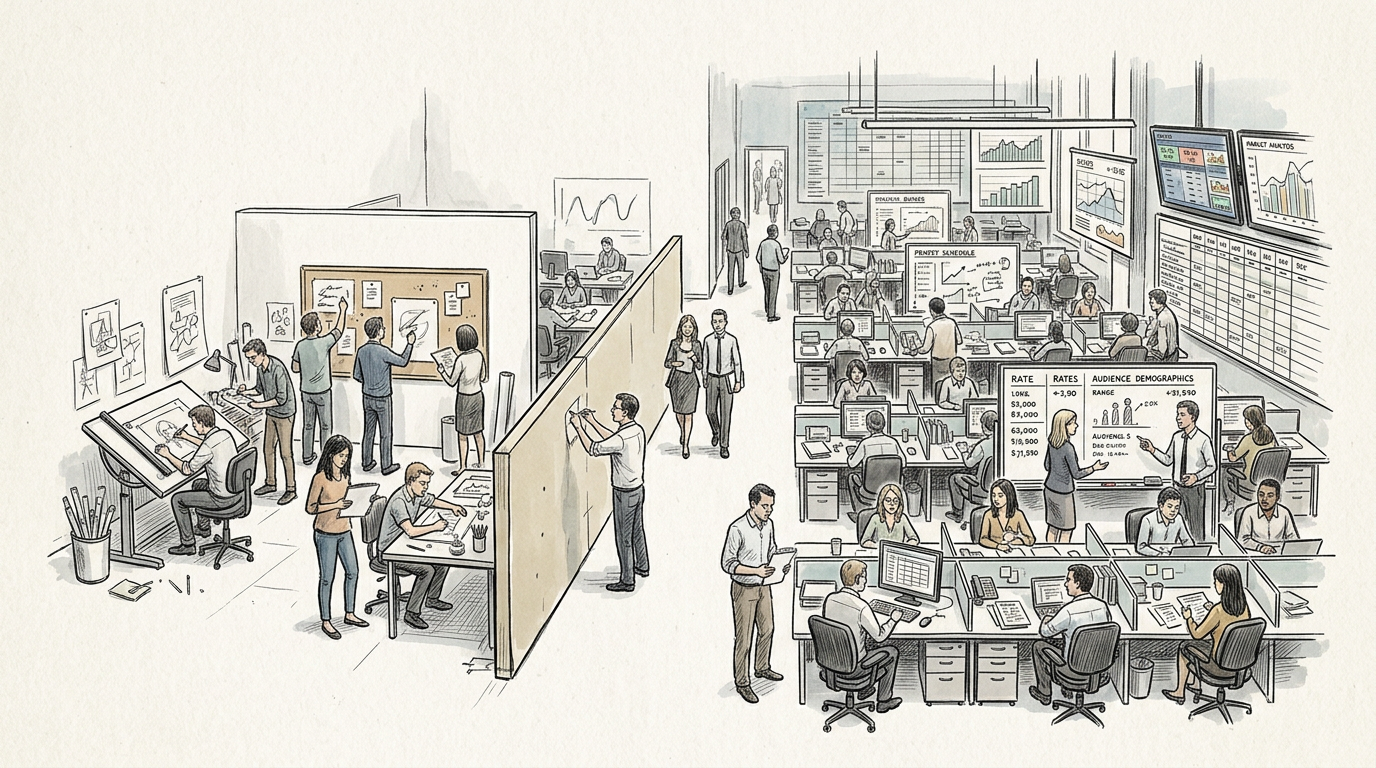
Throughout the twentieth century, media buying transitioned from being an integral function within full-service advertising agencies to a specialized industry with dedicated media agencies. This separation arose from evolving advertiser demands, market complexities, and technological advancements. Today’s media agencies play a crucial role in negotiating and strategizing media buying, significantly impacting the advertising landscape.
-

How the Super Bowl Became Advertising’s Biggest Stage
The evolution of Super Bowl advertising transformed it from ordinary commercial slots into a premium showcase, driven by changes in media economics and audience expectations. Over time, brands began to create ads that became cultural events themselves, leading to a complex relationship between visibility and effectiveness in advertising strategy.