
Category: Marketing History
Marketing History explores the development of marketing as a profession, discipline, and business practice. Topics include the evolution of branding, consumer research, retail strategy, promotion, marketing theory, consumer culture, and the systems organizations have used to understand and reach markets over time.
-
How Trademarks Helped Build Modern Brands
Trademarks evolved from a practical necessity in expanding markets where buyers and sellers lacked personal connections. They facilitated product recognition, consumer trust, and legal protection, allowing brands to thrive amidst competition. As industrialization transformed commerce, trademarks became integral to marketing, linking products to their sources and aiding consumer decisions in crowded marketplaces.
-

What Marketing Meant Before Modern Marketing Departments
Before formal marketing departments emerged, various tasks related to marketing—such as product design, pricing, and distribution—were dispersed across different roles within businesses. Over time, the need for coordinated marketing efforts led to the establishment of marketing departments, reflecting a shift from fragmented practices to more systematic integration in response to market complexities.
-

How Packaged Goods Changed Marketing
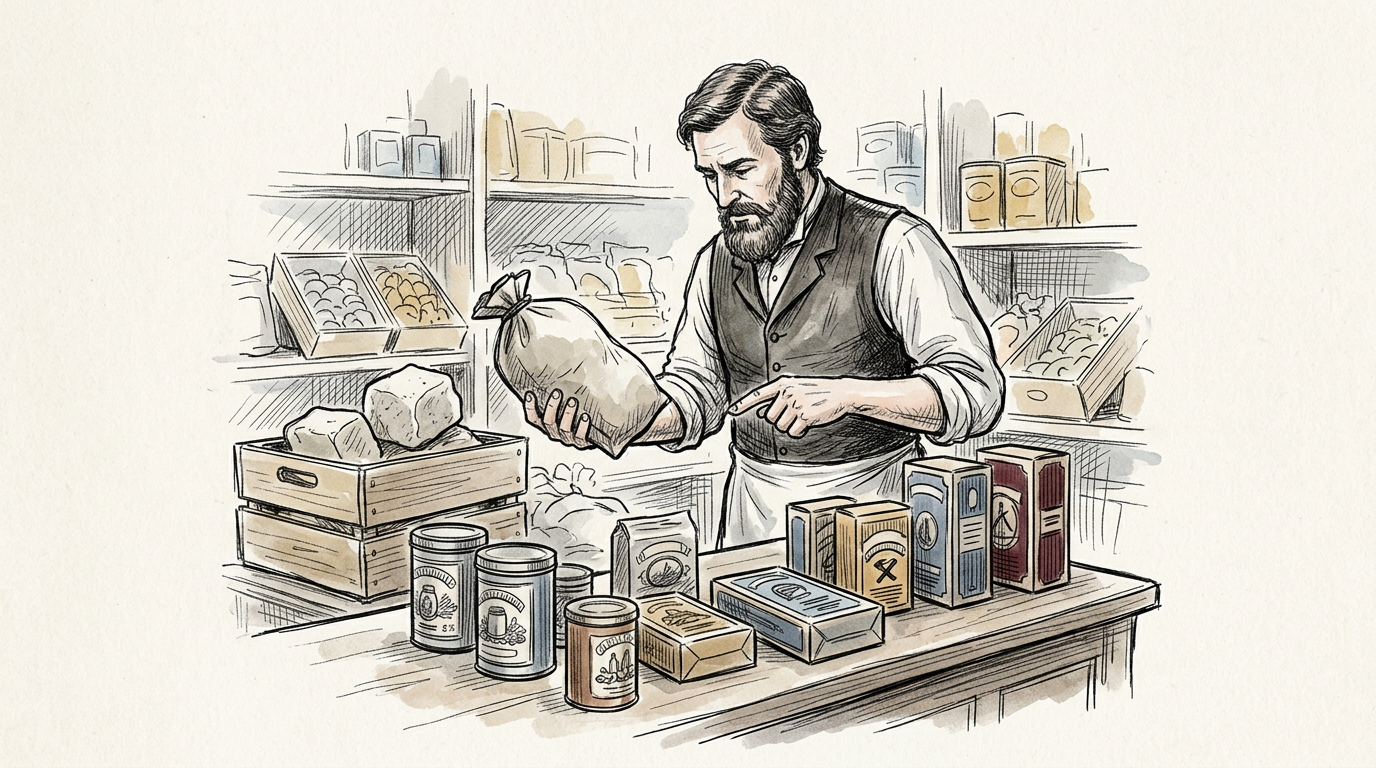
Packaging has evolved from a mere protective layer to a crucial marketing tool that enhances product identity, facilitates national branding, and influences consumer trust. The historical shift towards standardized packaging allowed manufacturers to gain control over product presentation, significantly transforming marketing practices and consumer interactions in a rapidly expanding marketplace.
-
How Department Stores Changed Marketing
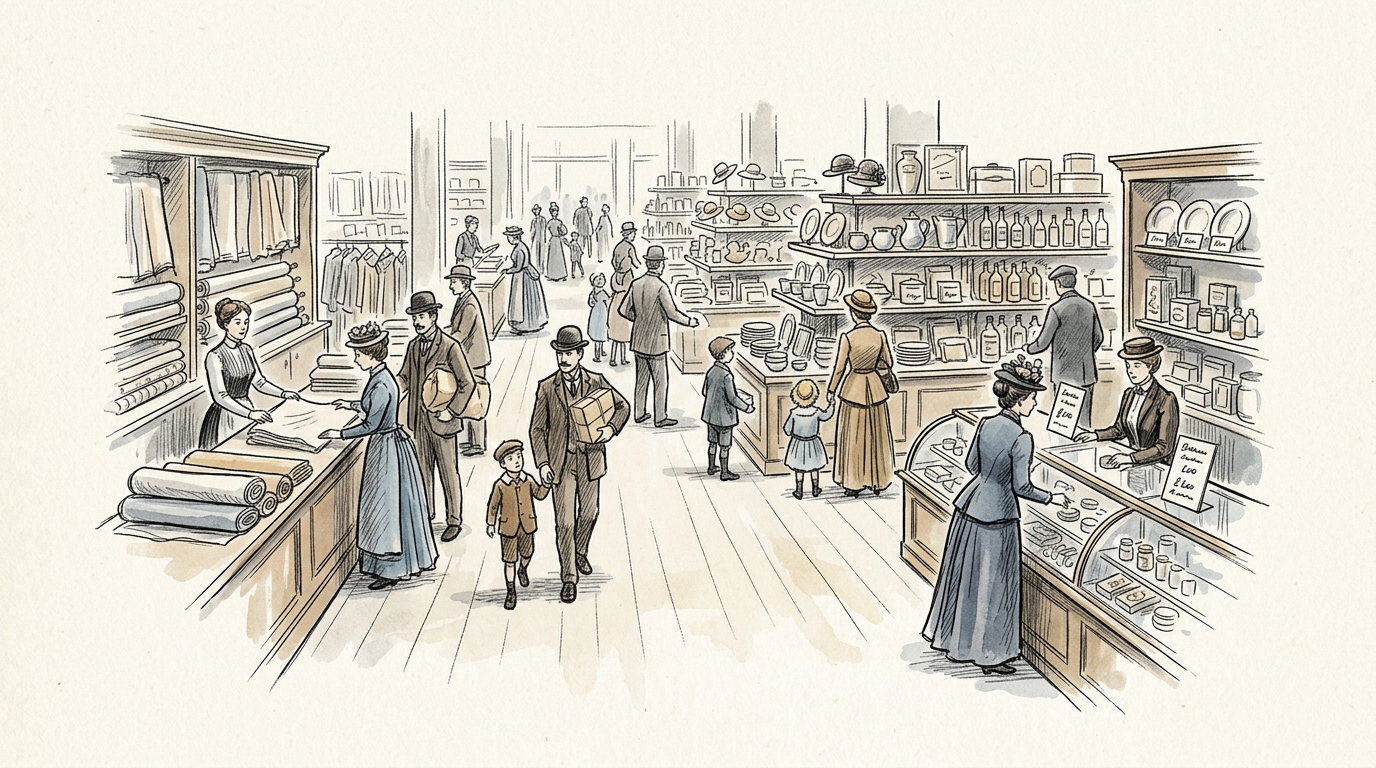
Department stores revolutionized retail marketing by integrating merchandising, pricing, and customer experience in the nineteenth and early twentieth centuries. They established systematic approaches to assortment, pricing, and promotion, fostering a significant relationship among producers, retailers, and consumers. Ultimately, they shaped modern marketing practices and transformed shopping into an organized, experiential endeavor.
-
How the Sears Catalog Changed American Retail
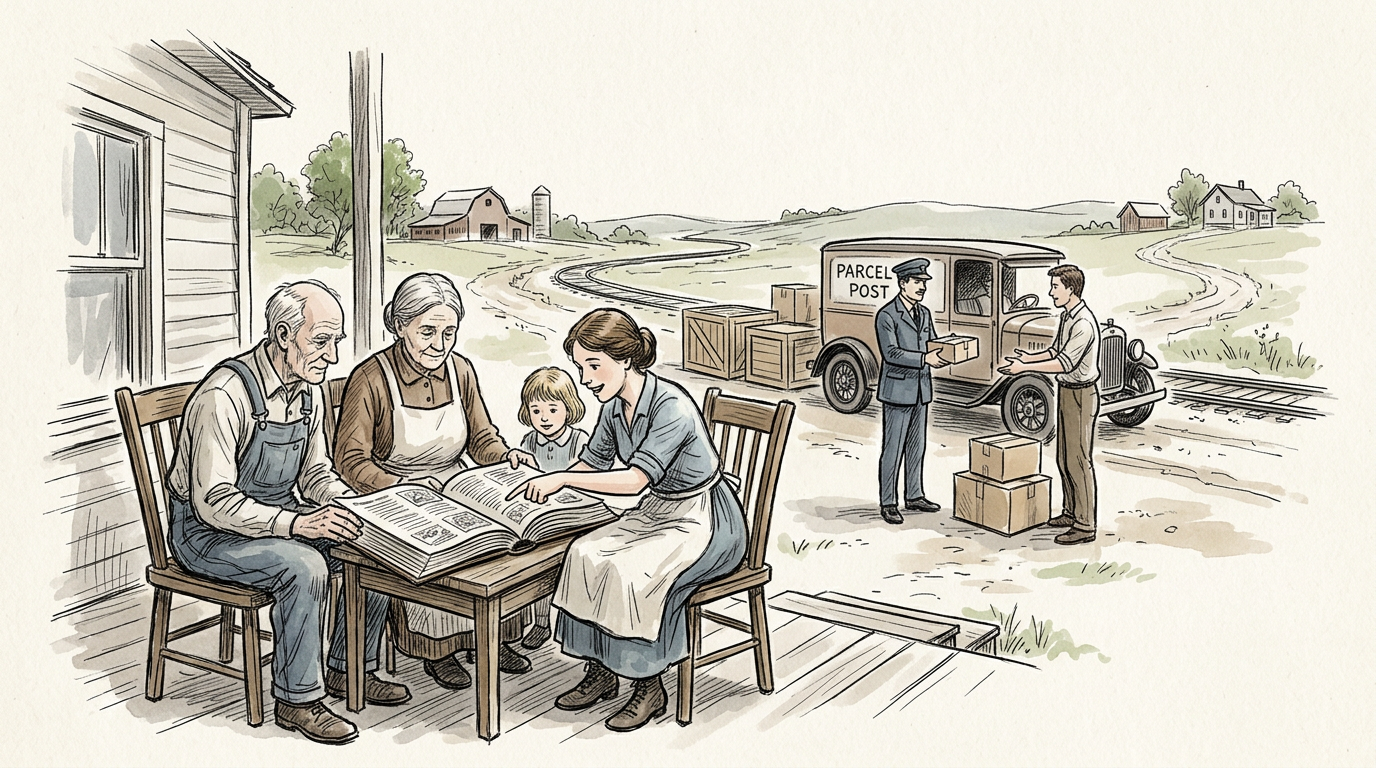
The Sears catalog revolutionized American retail by integrating merchandising, pricing, distribution, and customer engagement, making a vast selection of goods accessible to rural consumers. It shifted consumer expectations, established pricing transparency, and laid the groundwork for modern marketing principles, demonstrating the power of organized retail systems and direct customer relationships.
-
How Window Displays Became a Marketing Medium
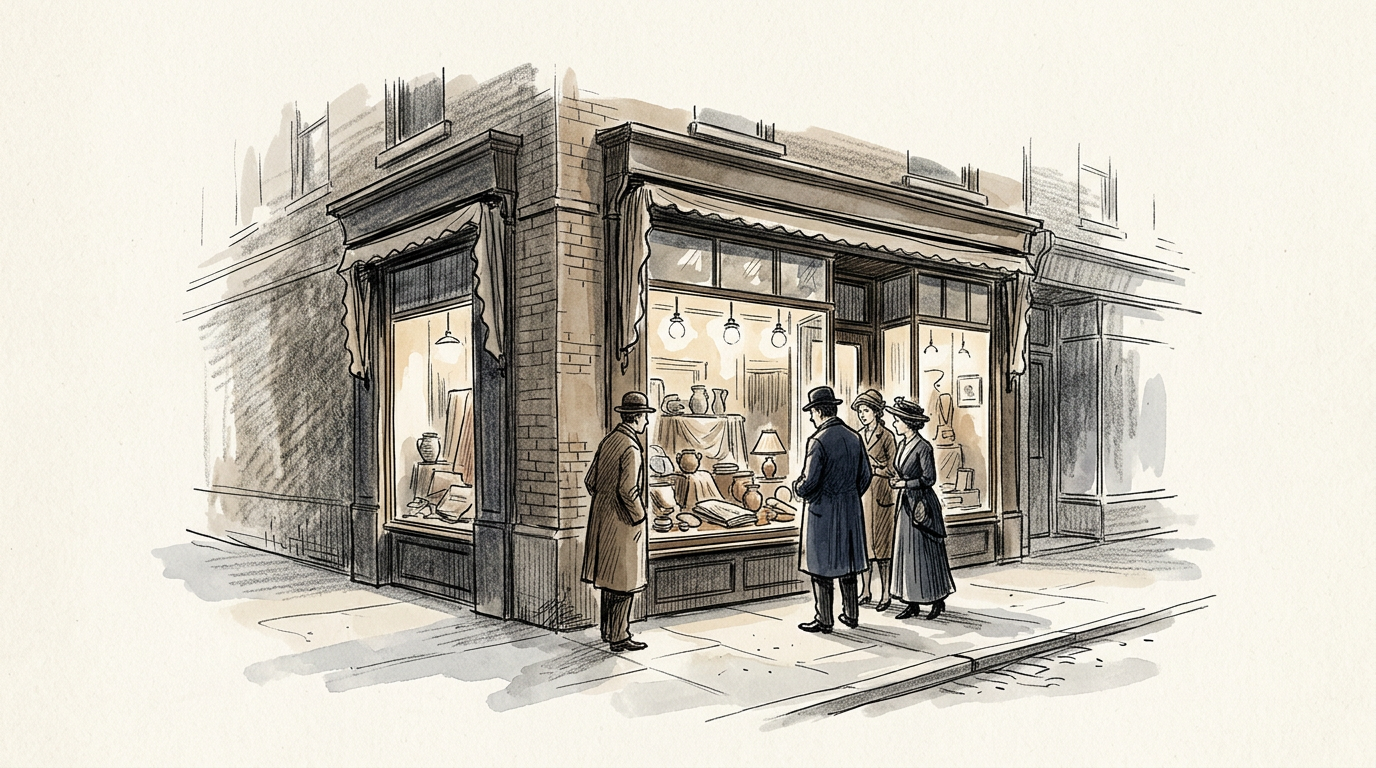
The evolution of storefront windows transformed them into vital marketing tools that helped retailers attract customers, showcase products, and communicate brand identity. Advancements in glass manufacturing and urbanization allowed for larger displays, while techniques in visual merchandising organized and elevated consumer engagement. This history underscores the window’s role in shaping modern retail marketing strategies.
-

Why Procter & Gamble Matters to Brand Management History
Procter & Gamble significantly shaped brand management by developing systematic approaches to address complex marketing challenges. As it transitioned from a manufacturer to a national brand marketer, it pioneered managerial routines for coordinating product strategy, advertising, and market research, ensuring continuous brand stewardship and accountability within a growing consumer goods landscape.
-
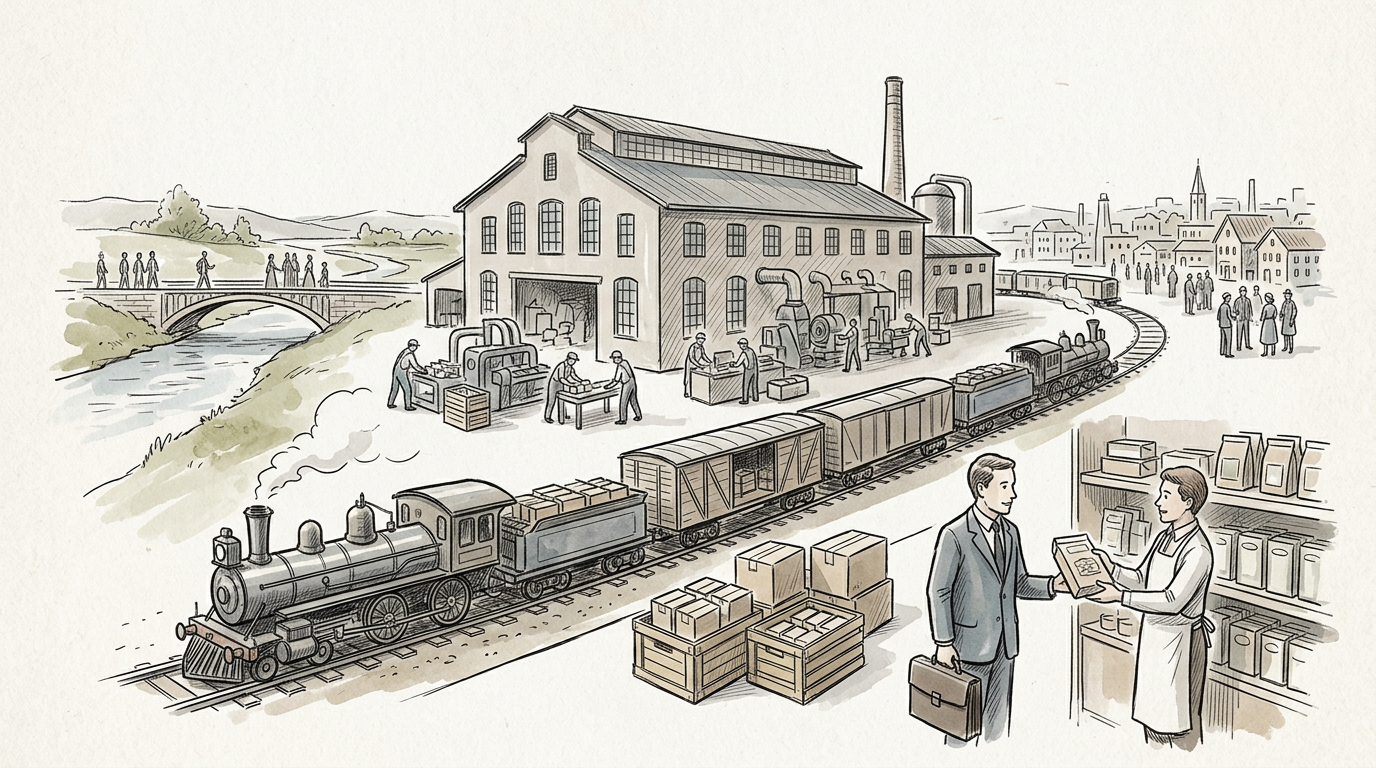
How Industrialization Changed Marketing
Industrialization greatly transformed marketing by shifting focus from local trade to mass markets. As factories expanded production, businesses needed systematic approaches to distribute goods, identify customers, and establish brand recognition. This led to the development of packaging, branding, and market research, ultimately establishing marketing as a distinct and vital business function.
-
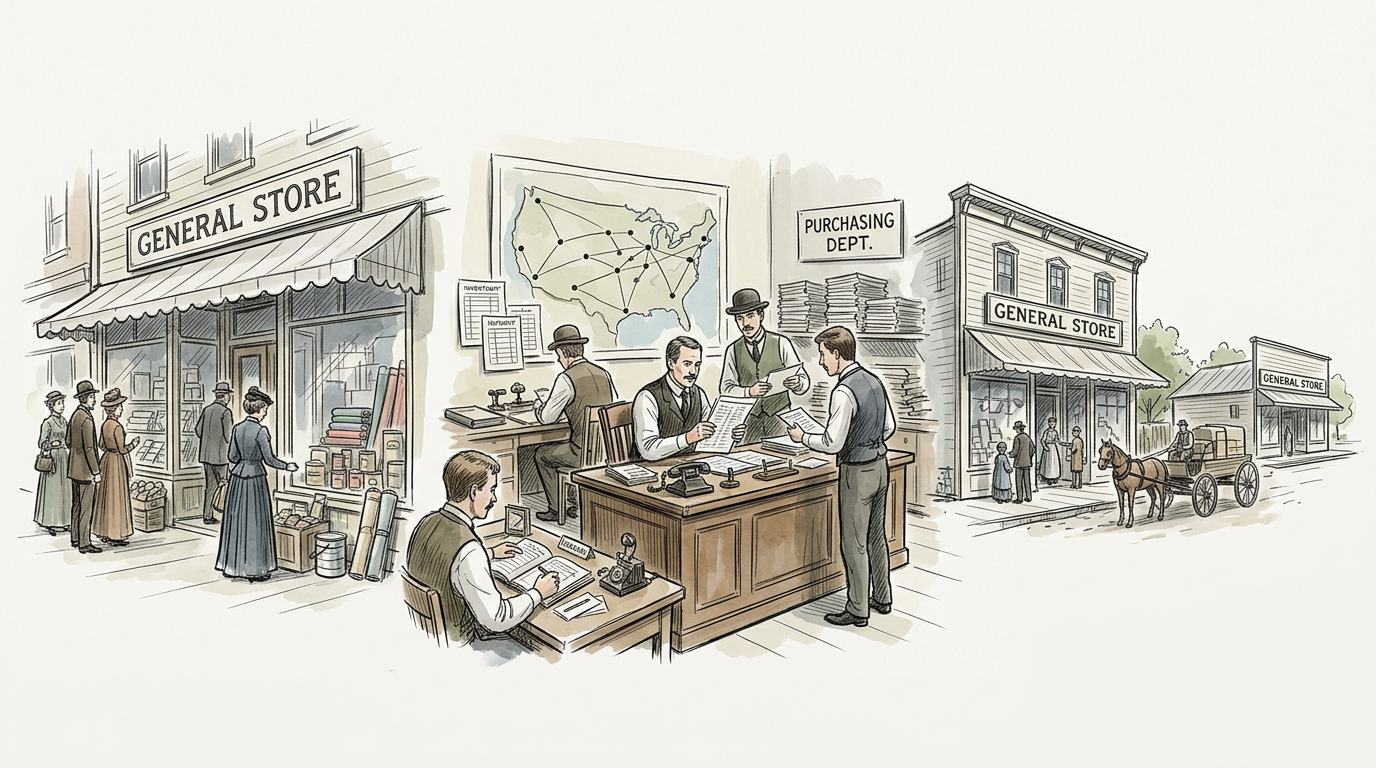
How Chain Stores Changed Distribution and Marketing
The rise of chain stores fundamentally transformed marketing and distribution from the late 19th to mid-20th century, centralizing purchasing and standardizing retail practices. This shift altered the power dynamics between manufacturers and retailers, introduced fixed pricing, and expanded private labels, significantly shaping consumer expectations and the modern retail landscape.