
Category: Marketing History
Marketing History explores the development of marketing as a profession, discipline, and business practice. Topics include the evolution of branding, consumer research, retail strategy, promotion, marketing theory, consumer culture, and the systems organizations have used to understand and reach markets over time.
-
How Railroads Helped Create National Markets
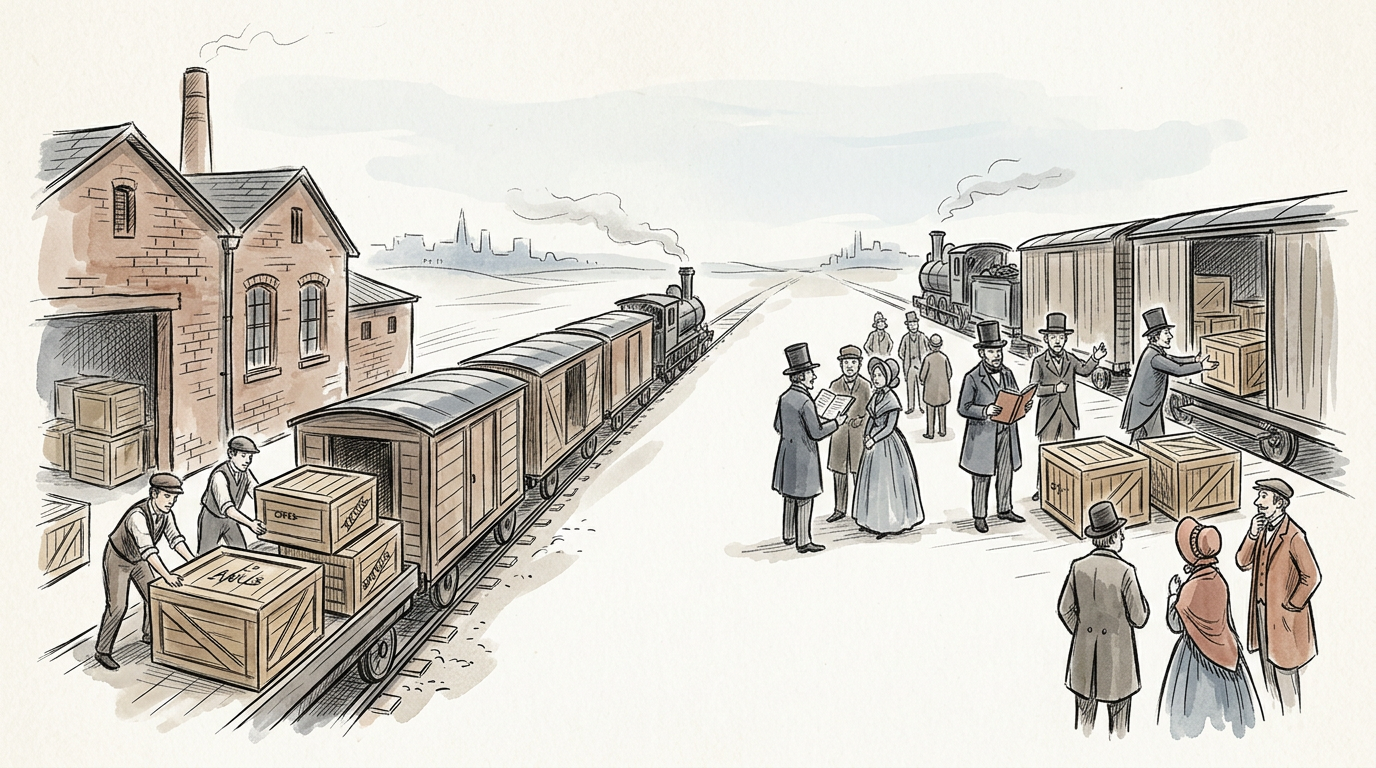
The expansion of railroads in the 19th century transformed marketing by connecting distant producers and consumers, enabling national distribution and branding. They facilitated broader inventory management, pricing strategies, and centralized merchandising. Railroads effectively changed market boundaries, allowing businesses to operate on larger scales and thus shaping modern marketing practices into a systematic managerial function.
-
How Shopping Centers Changed Marketing Geography
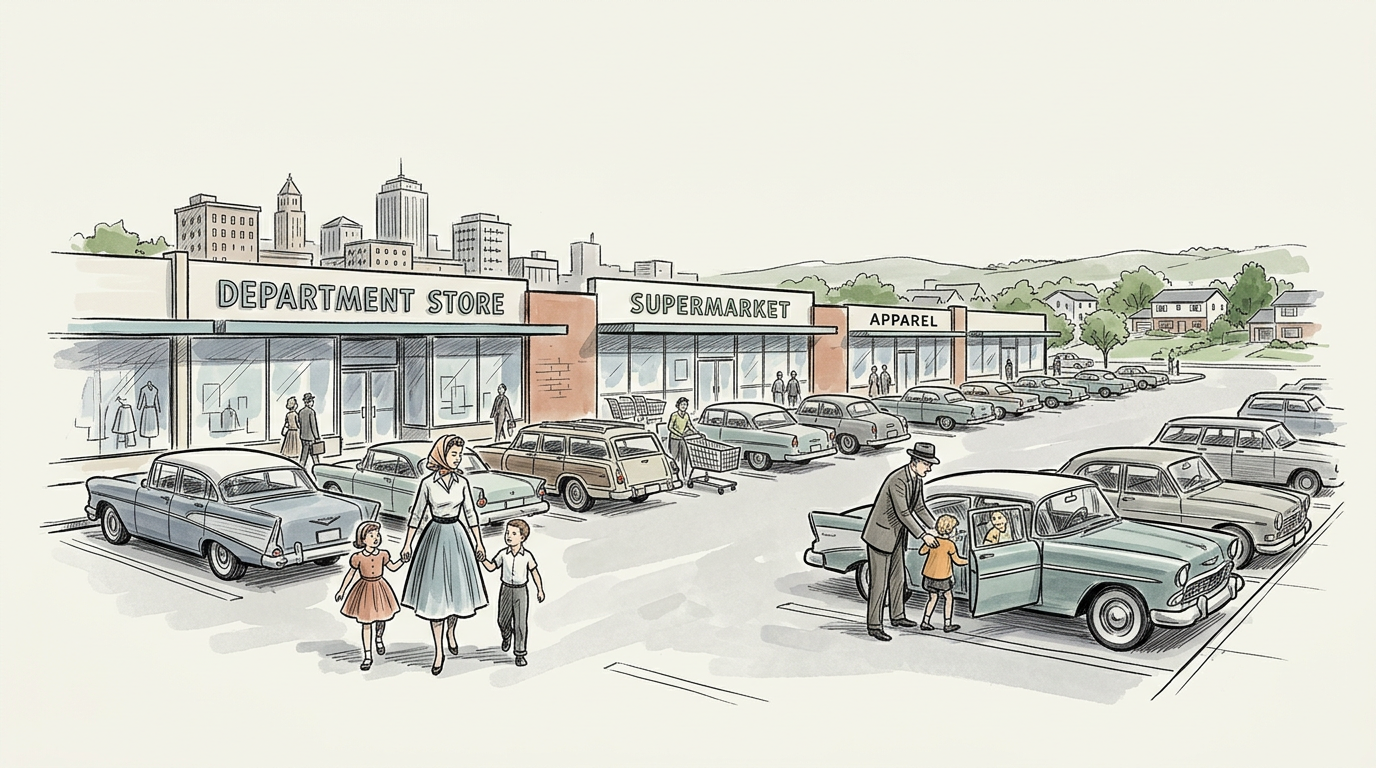
The emergence of shopping centers transformed American retailing by reshaping marketing strategies to adapt to suburban growth post-World War II. These centers prioritized location, convenience, and consumer behavior, leading to systematic trade-area analysis and tenant mix planning. They influenced marketing by emphasizing spatial systems alongside demographics, establishing the groundwork for modern retail practices.
-
How Private Labels Evolved
Private labels evolved from basic retailer-controlled alternatives to sophisticated brand portfolios that reinforce retailer authority in markets. Historically tied to product quality and merchant reputation, they shifted towards low-cost substitutes, and now feature segmented strategies reflecting quality, price, and identity. This evolution reshapes retail dynamics and marketing strategies.
-
How Mail-Order Catalogs Expanded Consumer Markets
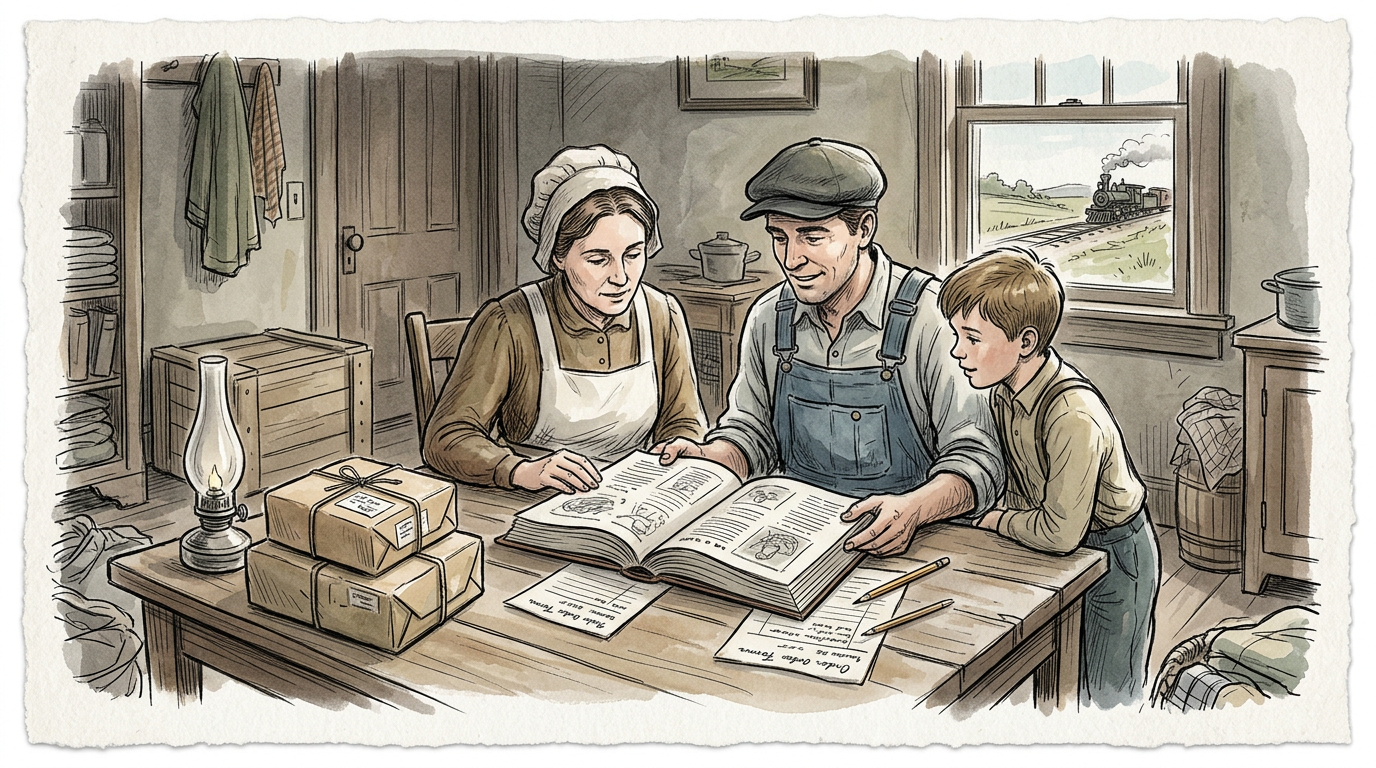
Mail-order catalogs revolutionized the retail market before ecommerce, expanding consumer access beyond local stores, especially for rural households. Companies like Montgomery Ward and Sears introduced structured assortments, standardized pricing, and trust-building measures that shaped modern marketing practices. This system linked logistics, customer management, and information flows, establishing foundations for contemporary direct commerce.
-
How Supermarkets Reshaped Consumer Marketing
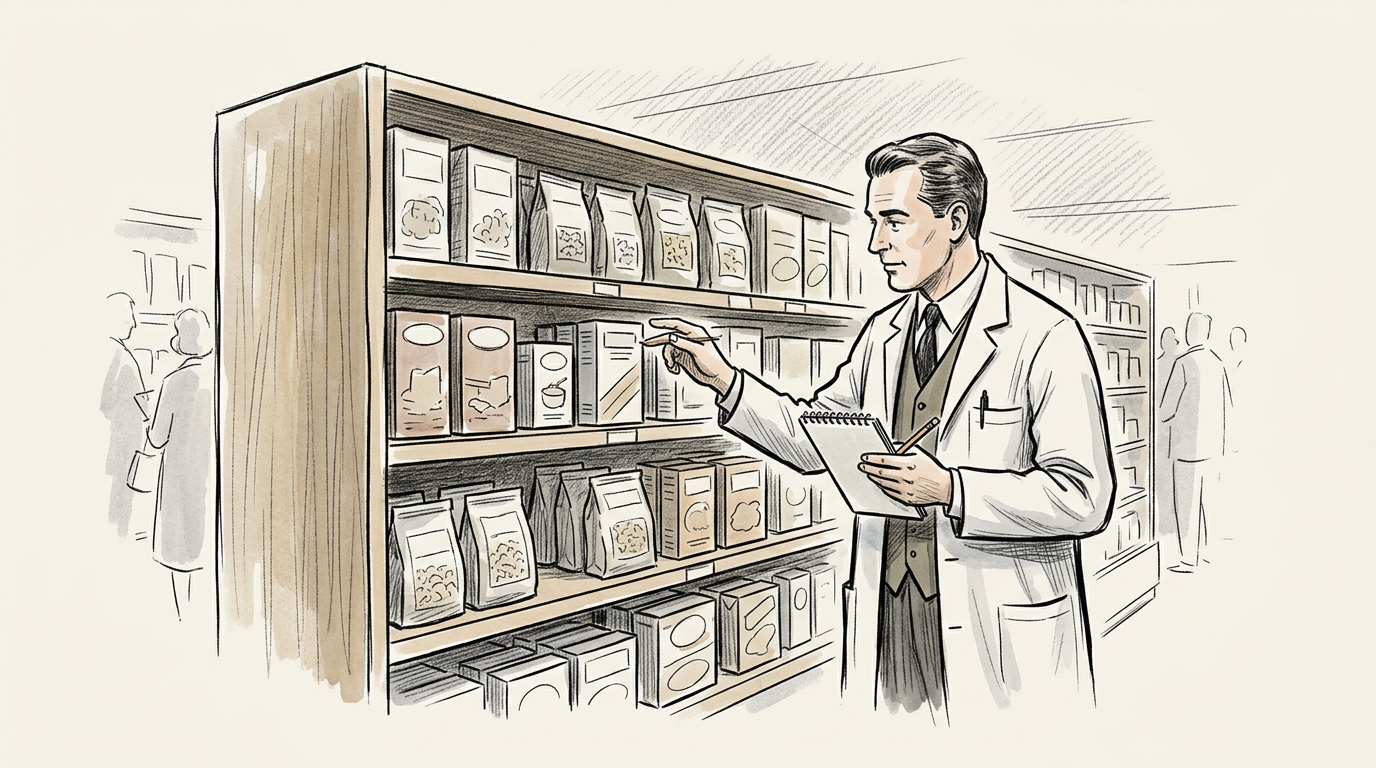
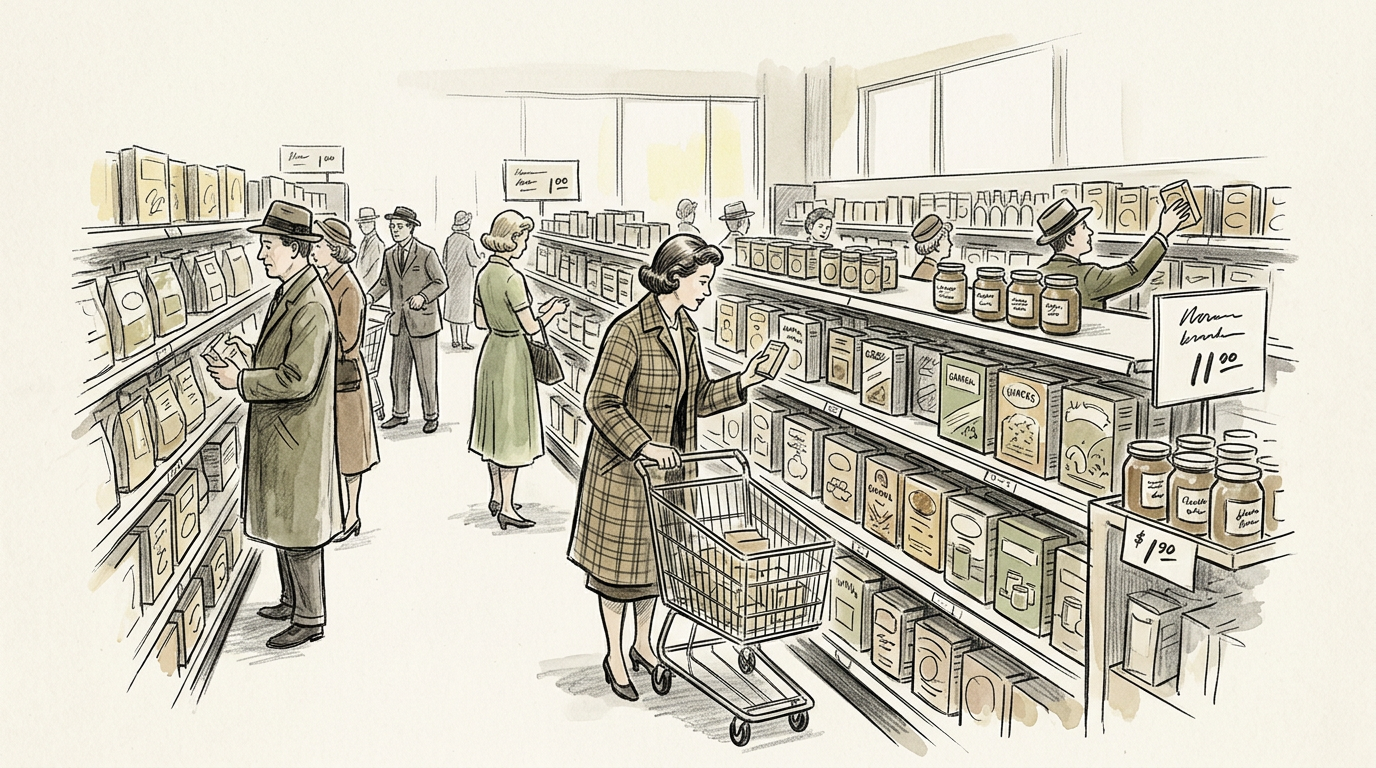
The supermarket transformed food retailing by shifting from clerk-mediated service to self-service, allowing consumers to browse, compare, and choose products. This new environment heightened competition among brands, emphasized packaging and pricing, and formalized merchandising strategies. The shelf became a central marketing arena, influencing consumer choices and retail dynamics significantly.
-
How Consumer Panels Changed Market Research
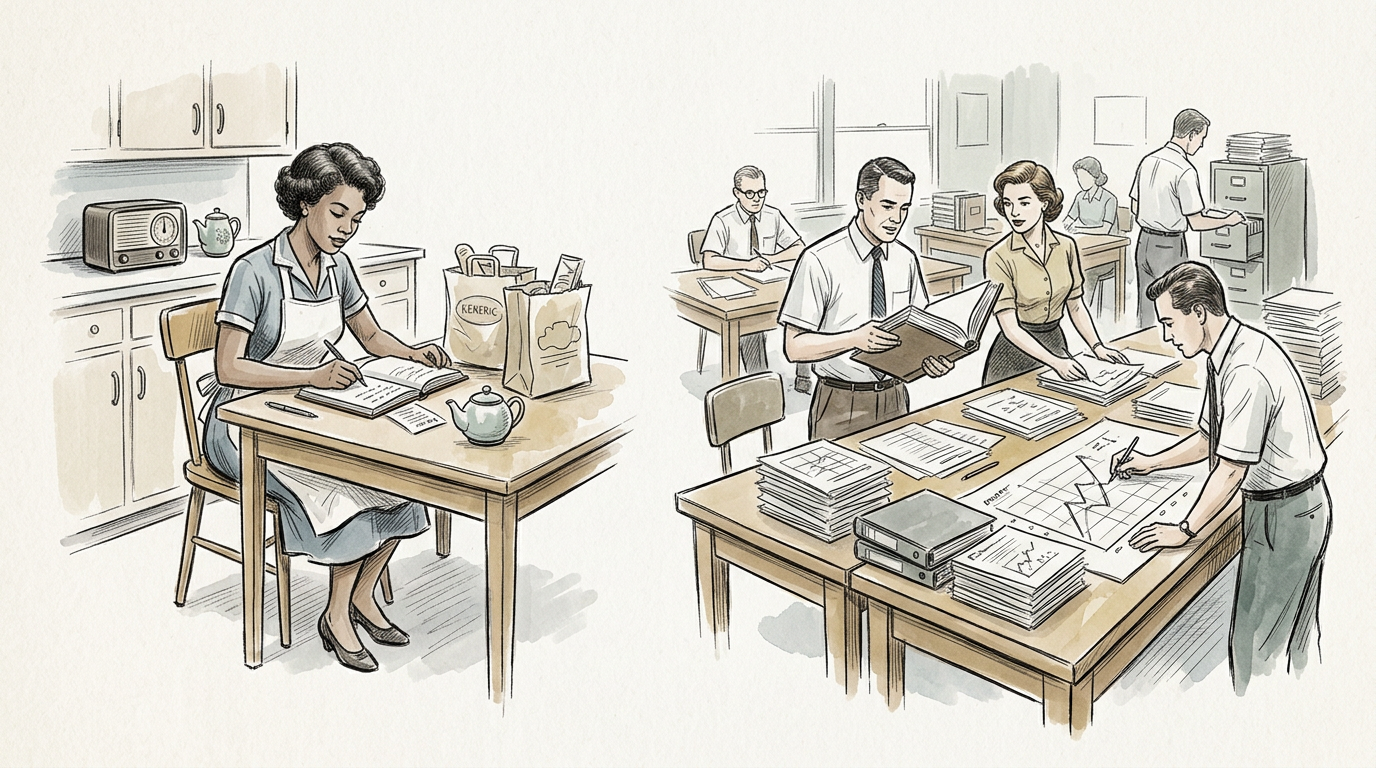
Before consumer panels, market research relied on fragmented data, making it difficult to understand household behavior over time. Consumer panels revolutionized research by providing continuous data on purchasing habits, enhancing brand management and marketing strategies. They introduced challenges related to representativeness and participant compliance but established a foundation for modern marketing analytics.
-

What the Marketing Mix Originally Meant
The concept of the marketing mix, originally developed by Neil H. Borden, aimed to address the challenge of combining various marketing elements into a cohesive strategy. Initially broader than the simplified Four Ps model, it emphasized managerial adaptation and decision-making to reflect market conditions, highlighting marketing’s complexity beyond mere advertising.
-
Why Self-Service Retail Changed Packaging
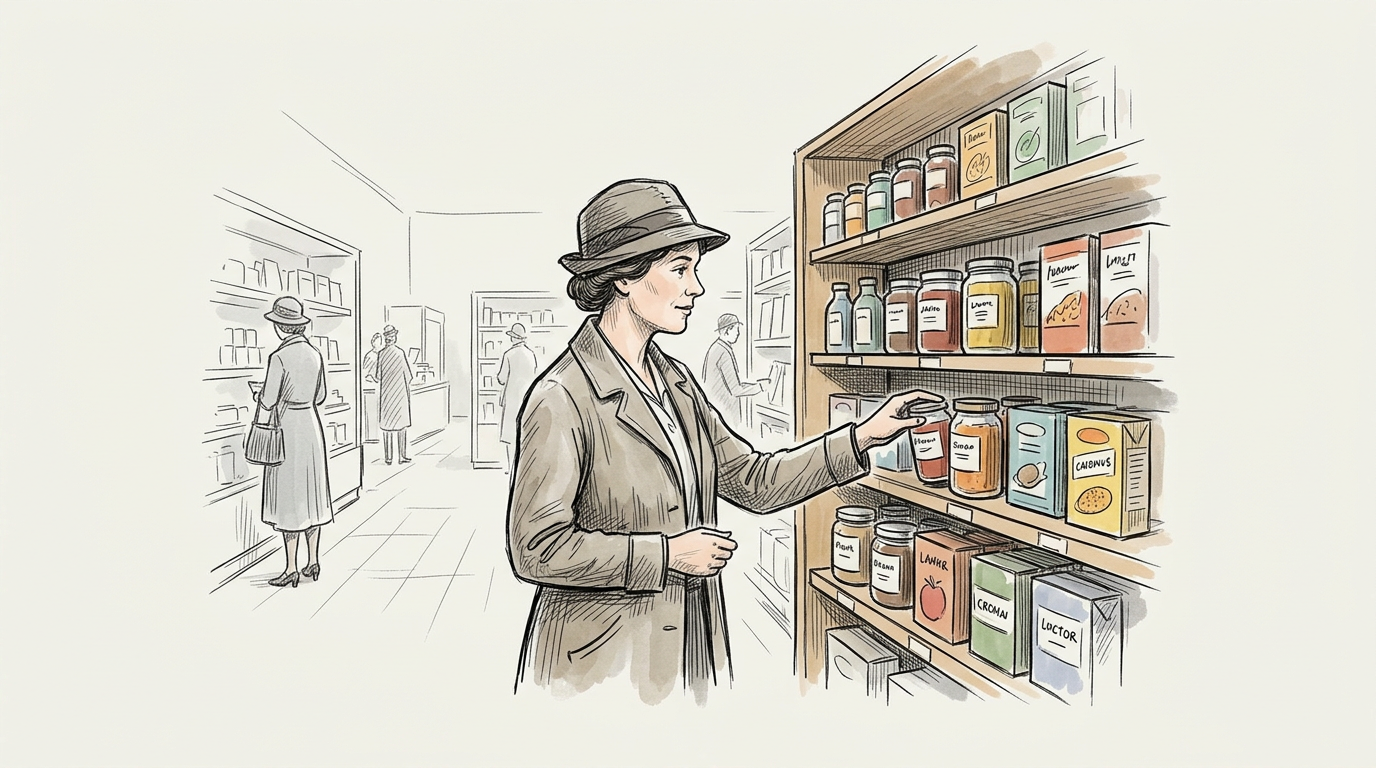
The transition from clerks assisting purchases to self-service retail fundamentally altered packaging’s role. As consumers began selecting products themselves, packaging evolved into a crucial marketing tool, requiring clear branding, communication of benefits, and strategic visibility on shelves. This shift shaped modern marketing, emphasizing consumer decision-making at the point of sale.
-

How Wendell Smith Helped Define Market Segmentation
Wendell R. Smith’s 1956 article revolutionized marketing by introducing market segmentation as a response to competitive market conditions. He contrasted it with product differentiation, emphasizing that understanding consumer heterogeneity was crucial for effective marketing strategies. Smith’s work laid the foundation for integrating market analysis with product policy, significantly shaping modern marketing practices.