

Category: Advertising History
Advertising History examines the campaigns, agencies, personalities, technologies, creative movements, and business practices that shaped the advertising profession. The section connects historical developments with the ideas, institutions, and practices that continue to influence advertising today.
-
How Comparative Advertising Became More Aggressive
Comparative advertising evolved significantly from implicit claims to direct competitor identification, particularly post-World War II. Regulatory shifts, mainly by the FTC, legitimized this approach, requiring substantiation of claims. By the late twentieth century, it became a strategic tool for brands to differentiate themselves, balancing aggression with legal and creative constraints.
-
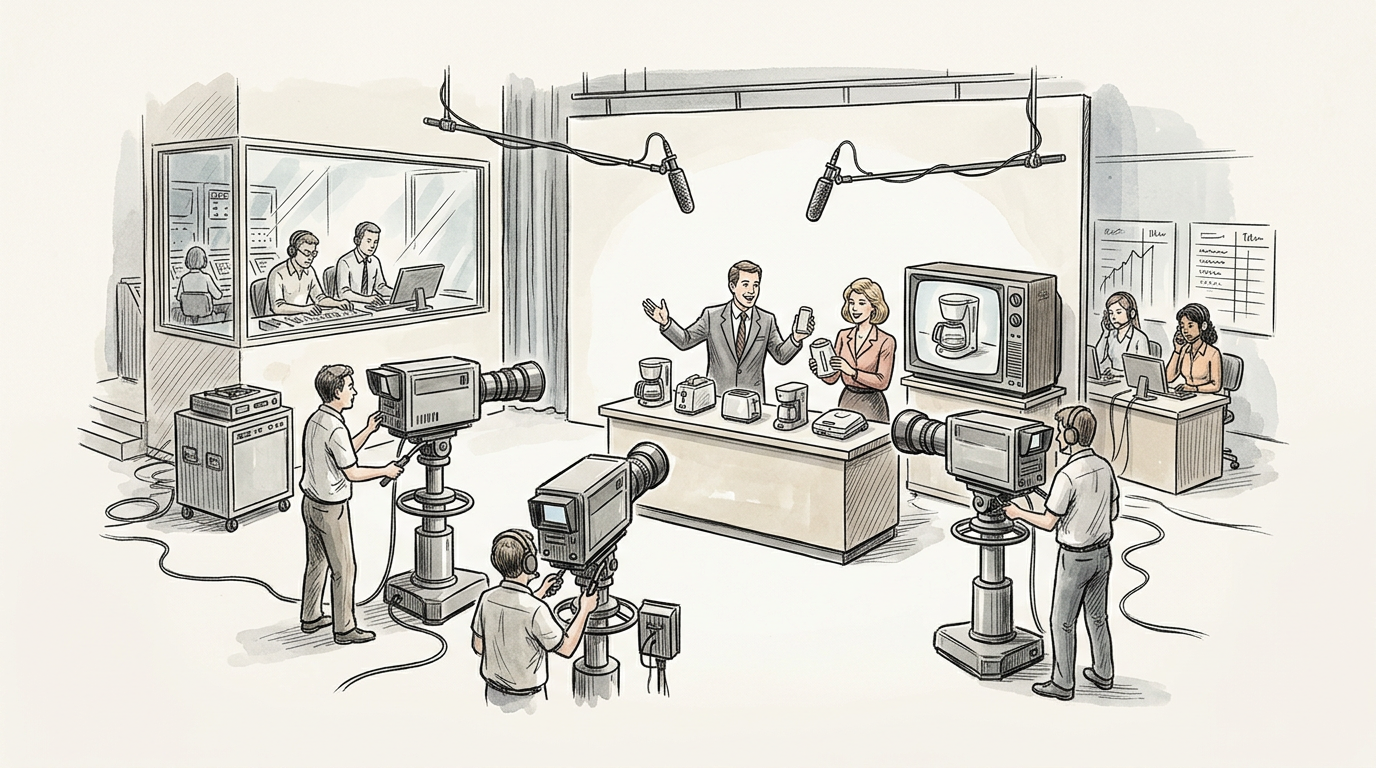
How the Infomercial Became an Advertising Format
Long-form television advertising, particularly infomercials, emerged in the 1980s due to structural changes in media and commerce, enabling measurable responses and immediate sales. Unlike conventional ads focused on brand image, infomercials prioritized product demonstration and accountability. This format reshaped advertising practices, emphasizing performance metrics and operational integration, ultimately influencing modern marketing strategies.
-
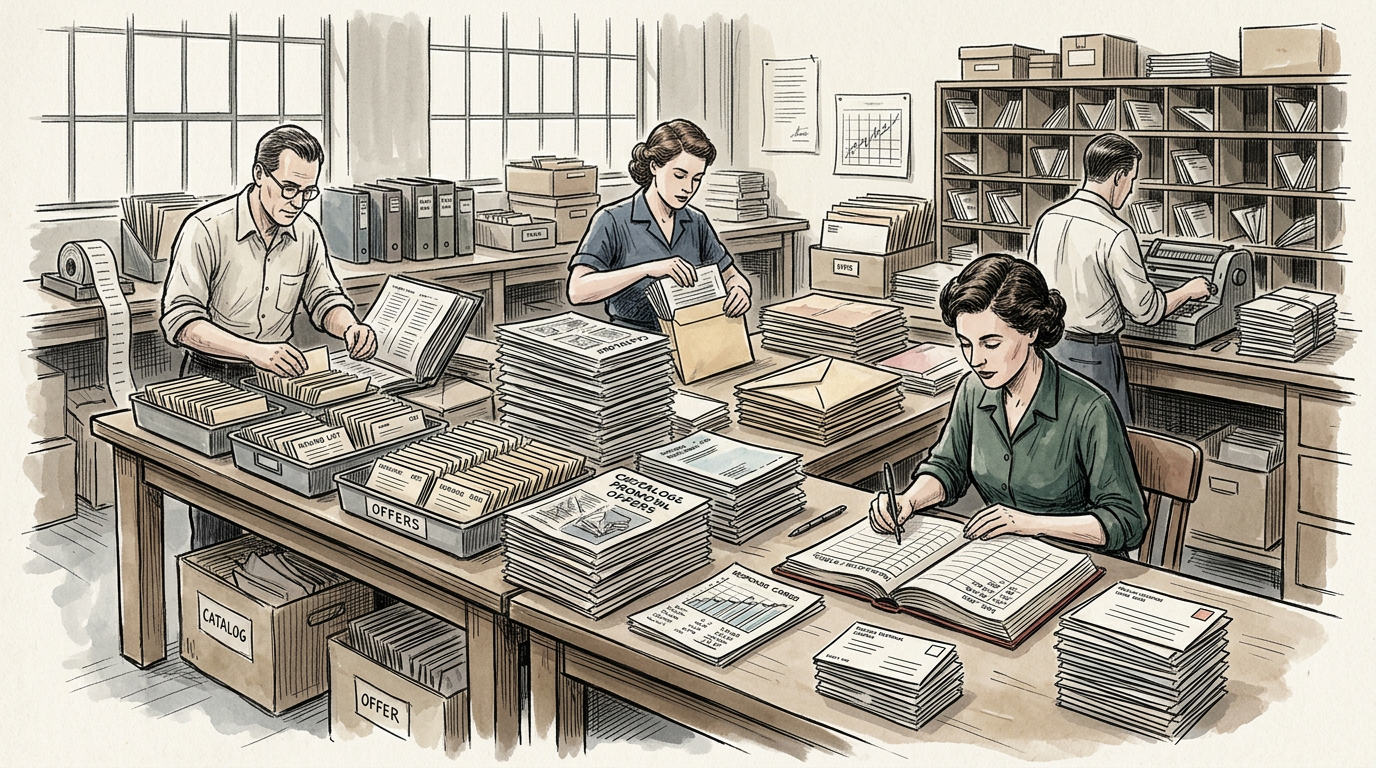
How Direct Mail Became a Data-Driven Advertising Business
Direct mail, often viewed as unglamorous, laid the groundwork for modern advertising practices by emphasizing measurable responses and data-driven strategies. Emerging alongside technological advancements, it cultivated professional expertise in audience targeting and list management. Direct mail’s testing and accountability principles have significantly influenced today’s performance marketing and customer data analytics.
-
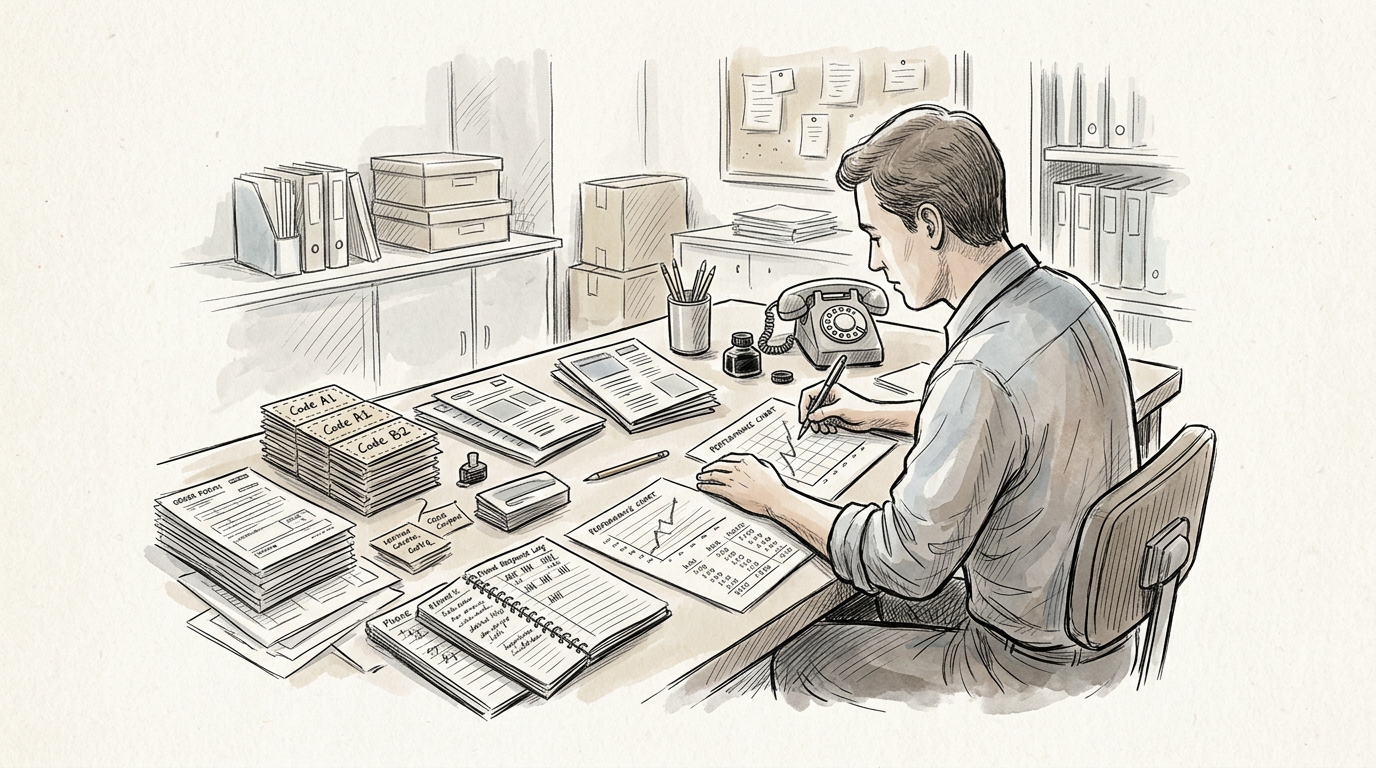
How Direct Response Advertising Learned to Measure Everything
Direct response advertising paved the way for measurable marketing before modern digital practices emerged. By utilizing coupons, mail orders, and later telephones and television, advertisers collected data linking actions to advertisements. This discipline fostered a culture of accountability and testing, shaping both historical and contemporary marketing strategies in performance-driven environments.
-

How the Ad Council Shaped Public Service Advertising
The Ad Council, established during World War II, transformed public service advertising by adapting commercial advertising techniques for civic and social causes. It created a structured model involving agencies, sponsors, and media partners, enabling effective campaigns on issues such as public health and safety. Its legacy continues in modern advertising practices.
-
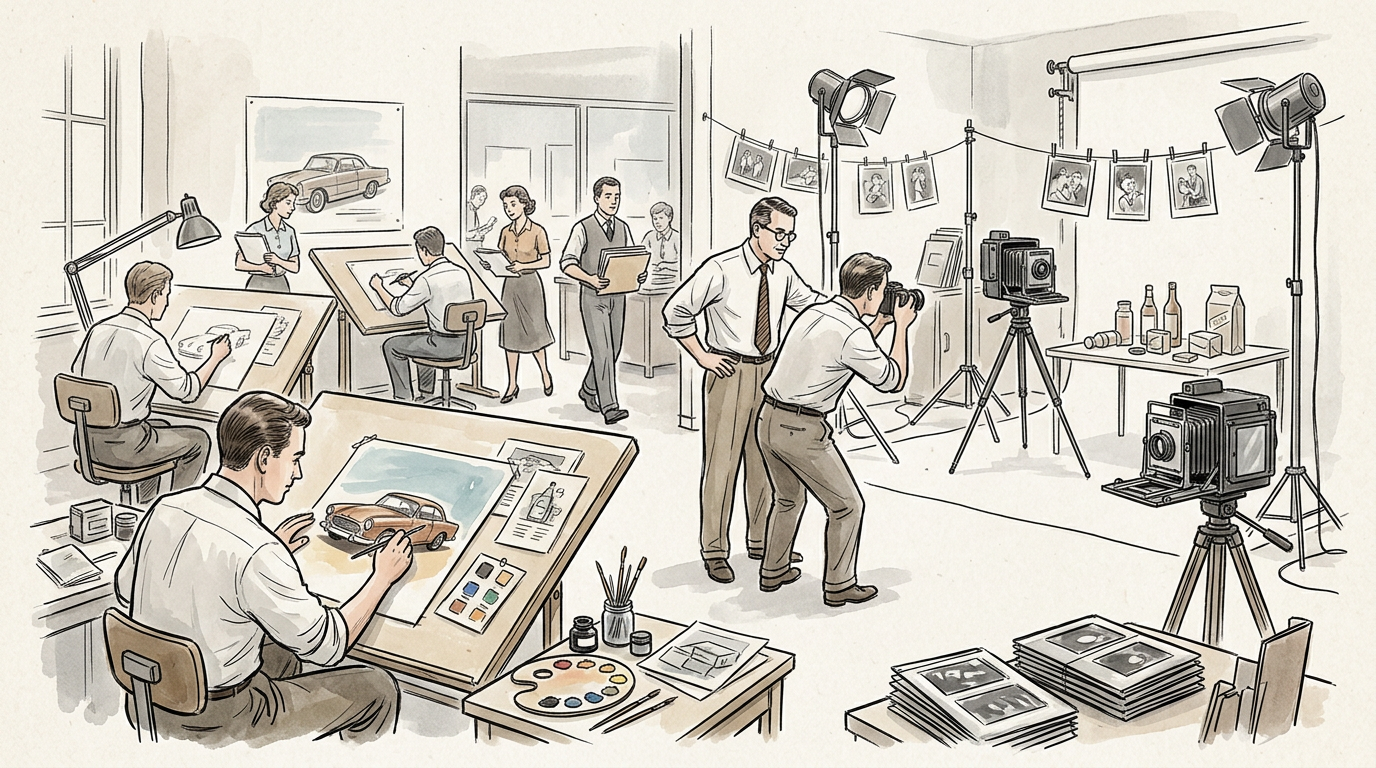
How Photography Replaced Illustration in Much of Advertising
Throughout the late nineteenth and early twentieth centuries, advertising transitioned from illustration to photography as the primary visual medium. This change transformed advertising practices, branding, and consumer perception, enhancing realism and credibility. While photography gained dominance, illustration persisted in niche areas, reflecting the evolving landscape of advertising techniques and consumer culture.
-
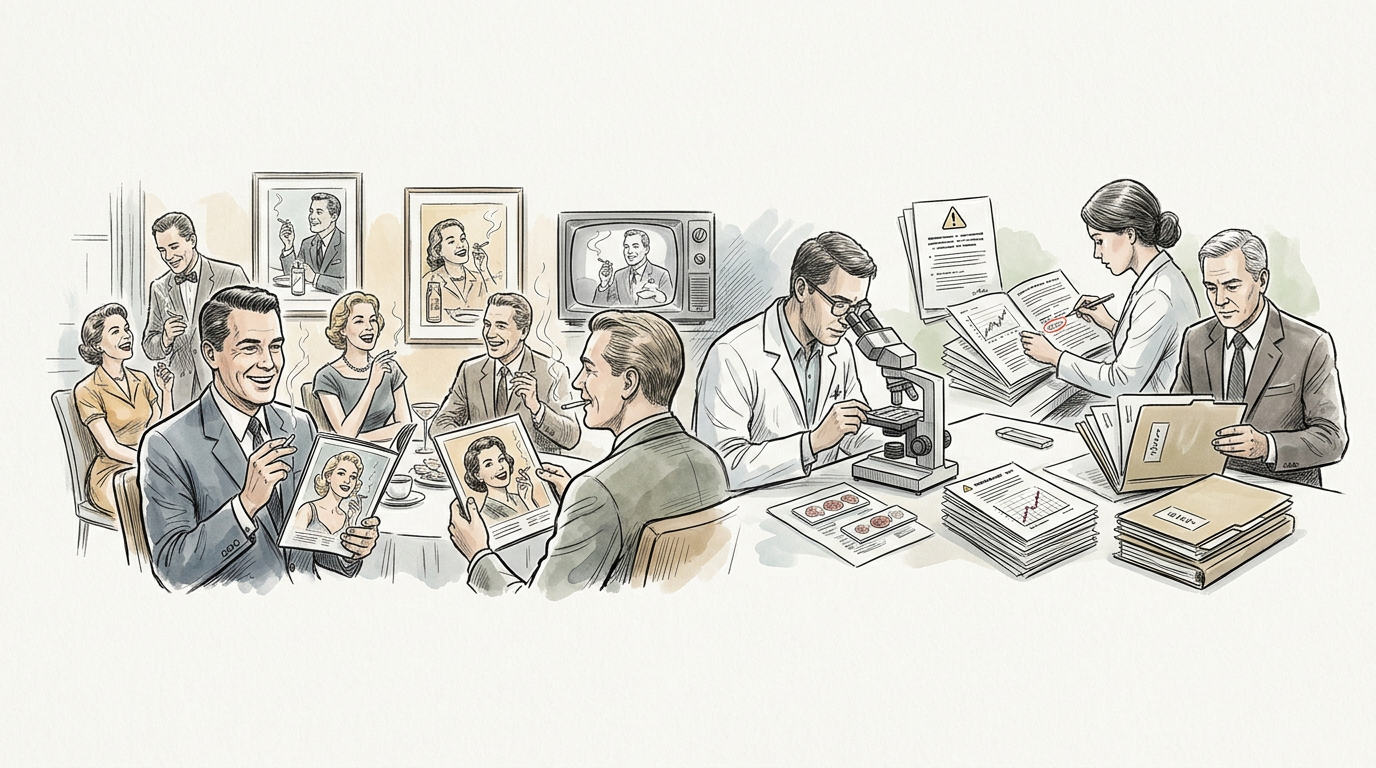
How Tobacco Advertising Shaped and Tested Advertising Regulation
Tobacco advertising has played a pivotal role in shaping modern advertising practices and regulations. From the late nineteenth century, it exemplified mass marketing techniques while raising ethical and legal questions about public health responsibility. As scientific evidence on smoking’s dangers emerged, the industry faced increasing regulation, leading to significant changes in advertising strategies and consumer…
-

How Art Direction Became Central to Modern Advertising
Art direction evolved from a subordinate role in advertising, where visuals supported copy, to a central function by the mid-twentieth century. This shift, influenced by advancements in printing, photography, and design, led to art directors becoming co-authors in campaigns alongside copywriters. The Creative Revolution solidified this change, highlighting the importance of visual thinking in modern…
-
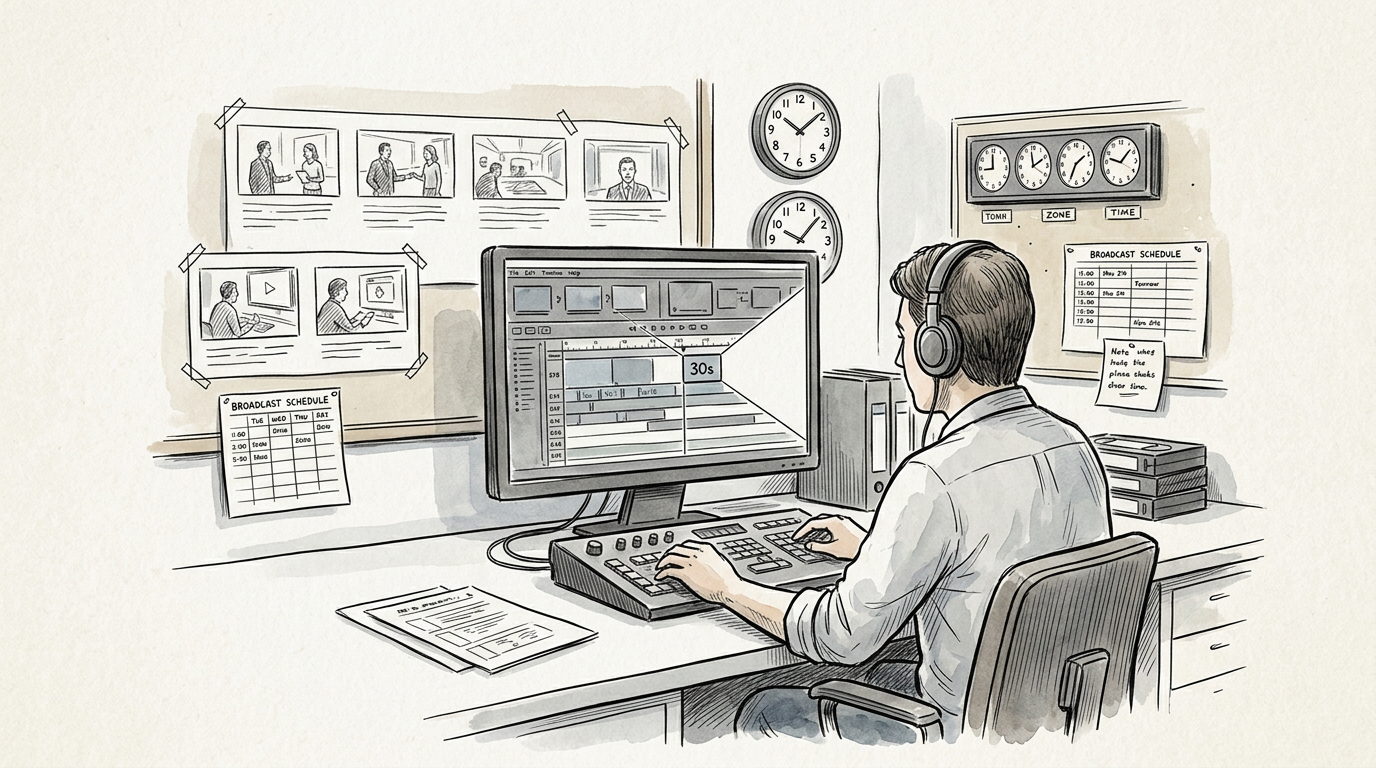
How the 30-Second Commercial Became an Advertising Standard
The 30-second television commercial became the industry standard due to historical transitions in broadcasting, economic efficiency, and audience measurement. It shaped creative processes and media planning, influencing how advertisements were produced, presented, and perceived. While alternatives exist, the half-minute format remains significant in advertising culture and practices.