

Category: Advertising History
Advertising History examines the campaigns, agencies, personalities, technologies, creative movements, and business practices that shaped the advertising profession. The section connects historical developments with the ideas, institutions, and practices that continue to influence advertising today.
-
How Leo Burnett Used Characters to Build Brand Memory
Leo Burnett’s Chicago advertising agency, founded in 1935, revolutionized branding through the use of memorable characters and symbols, helping brands stand out in a competitive market. His agency created iconic figures like the Marlboro Man and Tony the Tiger, enhancing brand recognition and consumer connection across various media platforms, fundamentally shaping modern advertising practices.
-

What the Creative Revolution Changed in Advertising
In the early 1960s, the Creative Revolution transformed U.S. advertising by shifting from traditional sales tactics to collaborative, concept-driven campaigns. Notable agencies, especially Doyle Dane Bernbach, emphasized humor, irony, and audience connection. This movement redefined creativity, blending visuals and words for impactful messaging, while also addressing the changing cultural landscape.
-
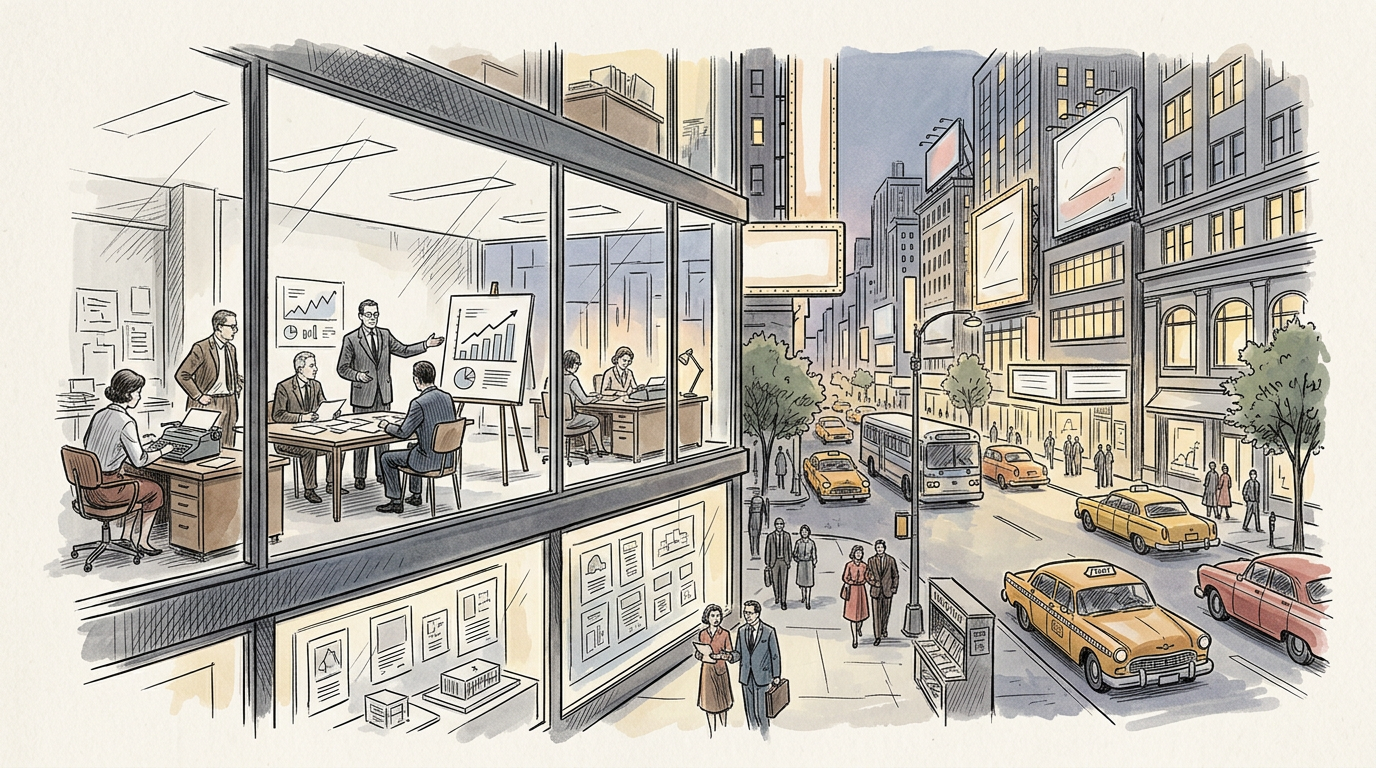
How Madison Avenue Became a Symbol of American Advertising
“Madison Avenue” symbolizes the evolution of American advertising, representing not just a physical location but a concentration of agency power and influence. The area became synonymous with the advertising industry due to its historical significance, professionalization, and relationship with national media, evolving into a symbol of both creativity and commercial manipulation.
-
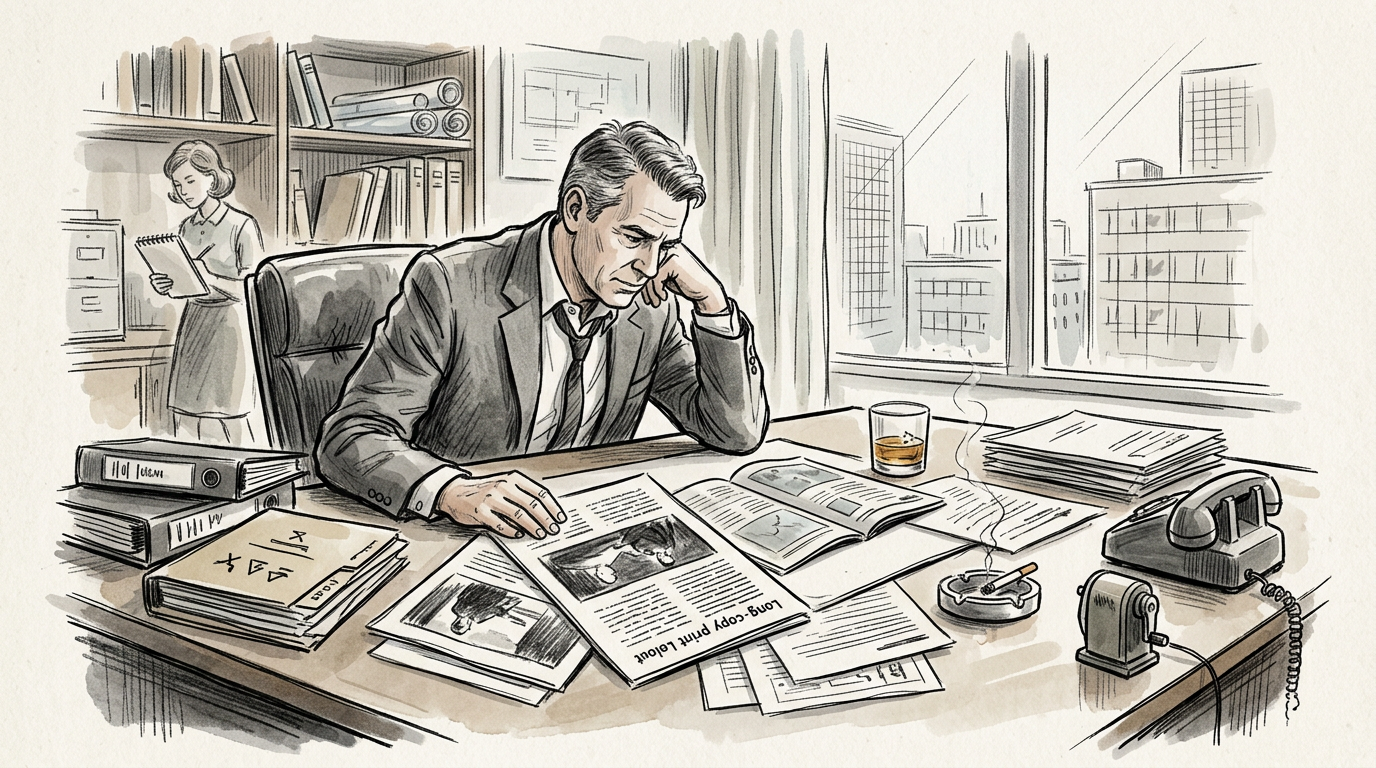
How David Ogilvy Shaped the Image of the Advertising Professional
David Ogilvy significantly shaped the advertising profession’s public image in the late twentieth century through his agency, influential books, and strong emphasis on research and long-copy persuasion. While not an inventor of advertising principles, he synthesized existing practices into a coherent philosophy, making lasting contributions to advertising, brand management, and agency culture.
-

How Doyle Dane Bernbach Changed Creative Advertising
Doyle Dane Bernbach (DDB), founded in 1949, revolutionized advertising by fostering collaboration between copywriters and art directors, leading to a creative method that emphasized unified concepts and visual simplicity. Its notable campaigns, particularly for Volkswagen and Avis, showcased wit and honesty, reshaping client expectations and establishing a model for modern advertising practices.
-
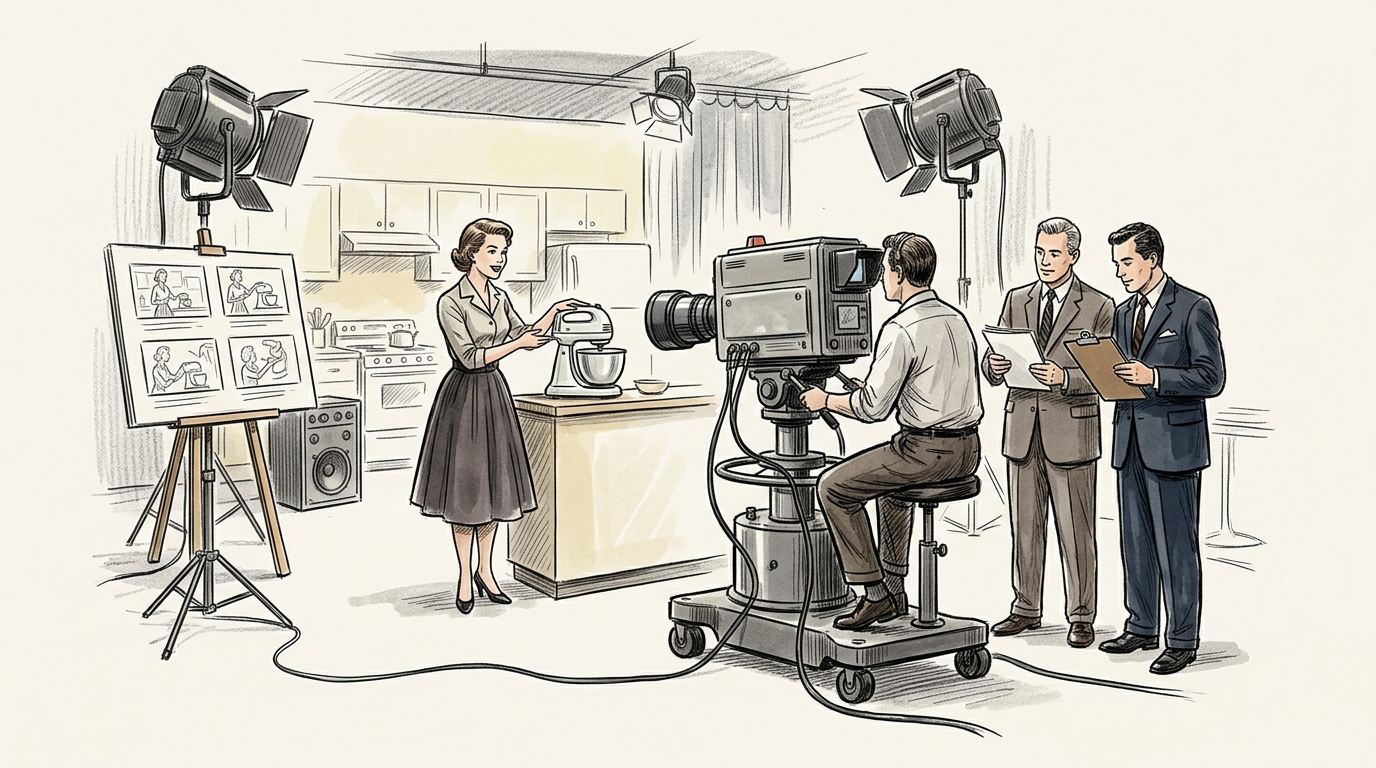
How Television Transformed American Advertising
Television revolutionized American advertising post-World War II by merging various media elements for effective communication. It created a powerful framework for advertisers to reach audiences through emotional storytelling and product demonstration. As a result, agencies and brands adapted their strategies and structures, emphasizing audiovisual production and national reach while facing new regulatory scrutiny.
-

How Audience Ratings Changed Broadcast Advertising
Broadcast advertising evolved from relying on general audience claims to using audience ratings, significantly impacting strategy and pricing. The advent of ratings systems transformed how advertisers assessed media value, shifted power dynamics within the industry, and established media planning as a specialized function, ultimately shaping modern advertising practices.
-

How the Advertising Jingle Became a Mass-Media Tool
The advertising jingle evolved as a vital tool for brand memorability, addressing challenges of mass media, particularly radio and later television. Its integration of melody, repetition, and branding allowed brands to retain consumer attention. Over time, jingles became essential in advertising strategy, linking sound, creativity, and audience psychology into memorable campaigns.
-

How the Television Commercial Replaced the Sponsored Program
The transition from single-sponsor broadcasting to spot commercials in the U.S. transformed advertising dynamics from the 1930s to the 1960s. It increased network control over programming and revenue while diminishing advertiser authority. This shift, influenced by economic factors, regulatory scrutiny, and audience measurement, redefined creative practices in television advertising.