

Category: Advertising History
Advertising History examines the campaigns, agencies, personalities, technologies, creative movements, and business practices that shaped the advertising profession. The section connects historical developments with the ideas, institutions, and practices that continue to influence advertising today.
-
How Truth in Advertising Became a Professional Standard
The evolution of truth in advertising emerged from historical pressures related to mass media and consumer protection. As deceptive practices threatened credibility, reformers advocated for standards of honesty. By the mid-twentieth century, regulations and professional codes established accountability, shaping modern advertising ethics that demand substantiation of claims and prioritize consumer trust.
-
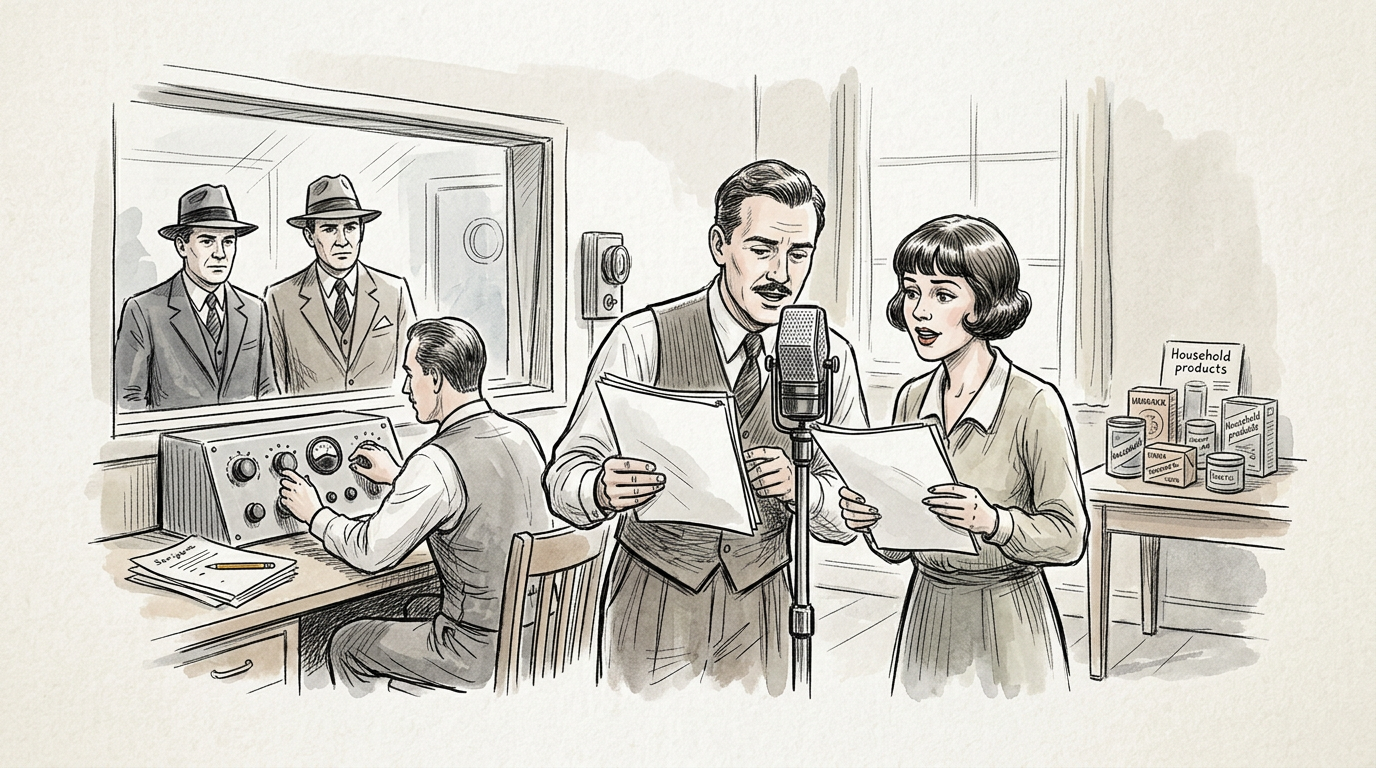
How Soap Operas Grew Out of Advertising
The history of soap operas illustrates how advertising shaped media by creating a format focused on serialized storytelling, targeting homemakers and fostering habitual listening. Sponsored by household brands, these programs built emotional connections, ensuring brand familiarity. This integration laid the groundwork for branded entertainment, revealing the interplay of commerce and culture in media.
-
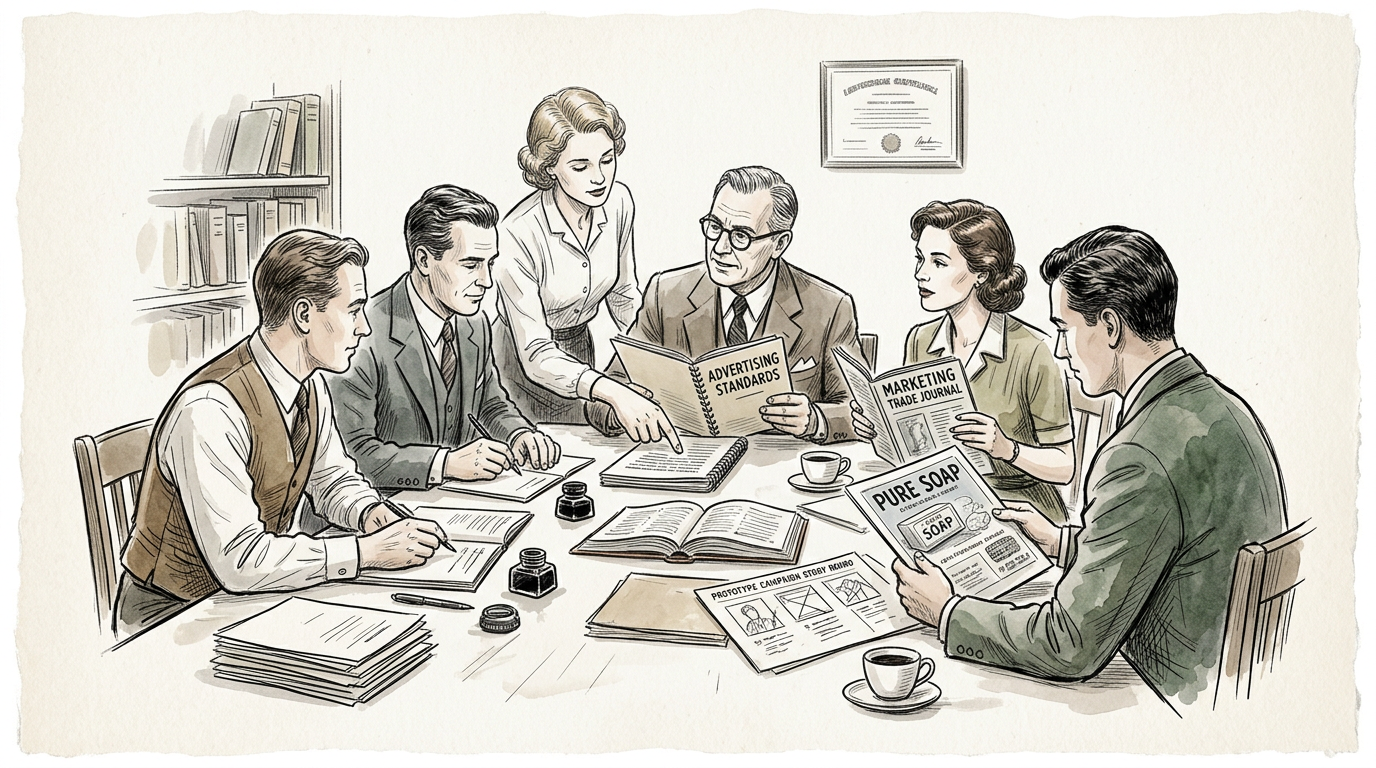
How Advertising Clubs and Trade Associations Shaped Professional Standards
In the late 19th and early 20th centuries, advertising transformed from a fragmented trade into a recognized profession through the establishment of clubs and associations. These organizations promoted ethical standards, education, and self-regulation, addressing deceptive practices while shaping advertising’s professional identity, ultimately fostering trust between consumers and advertisers.
-

How Market Research Entered the Advertising Agency
Advertising evolved significantly from intuition-based practices to systematic research between the late 19th and mid-20th centuries. The introduction of market research transformed agencies into experts on audience understanding, market dynamics, and effectiveness metrics. This shift reshaped agency operations, defined client relationships, and forged a lasting connection between advertising and social science.
-

Why Early Radio Advertisers Sponsored Entire Programs
In the early decades of U.S. broadcasting, advertisers sponsored entire radio programs, offering brands control over content and audience engagement. This model evolved from economic necessity and the creative integration of advertising and entertainment. As radio matured, spot advertising emerged, shifting advertising strategies and altering media relationships while retaining foundational lessons on audience connection and…
-
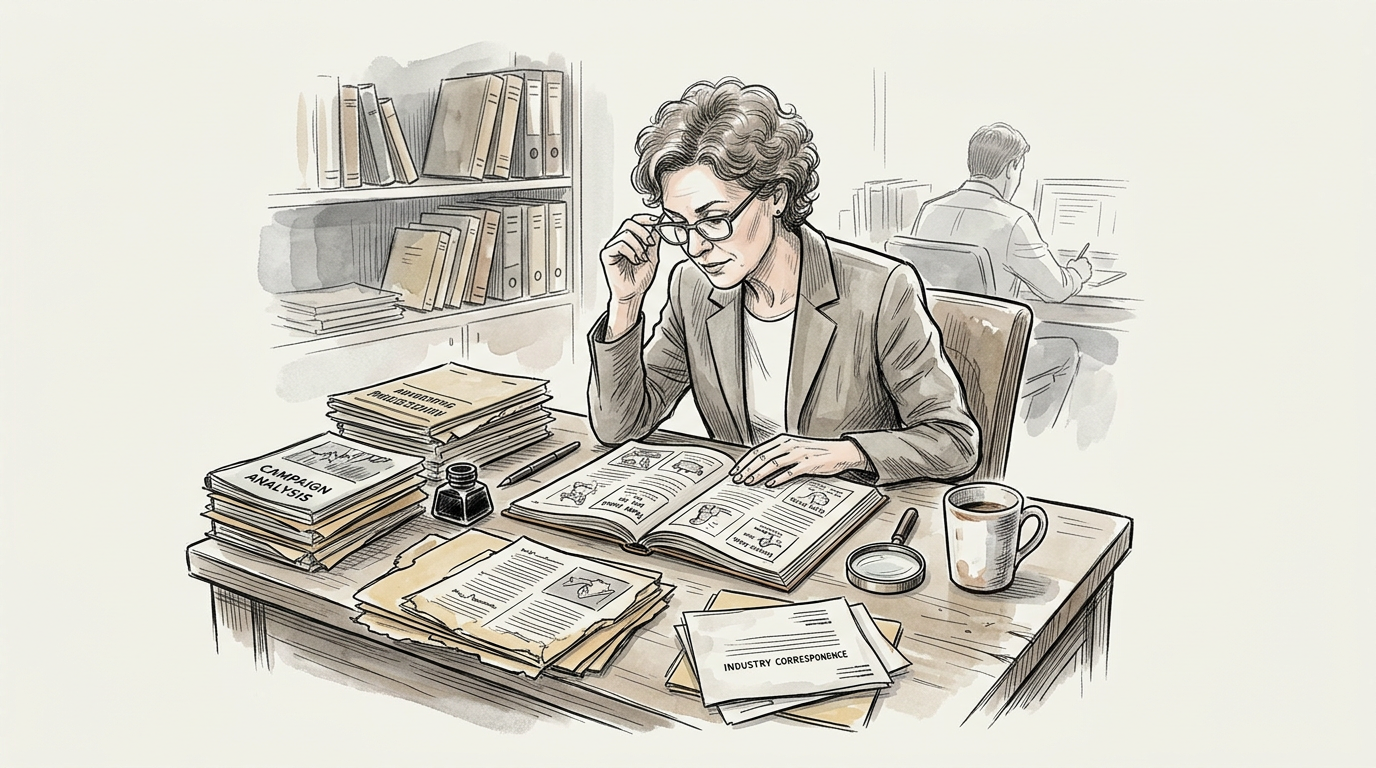
How Advertising Trade Publications Professionalized the Industry
Trade publications were vital to the professionalization of advertising, helping to standardize practices, define ethical norms, and create a shared vocabulary among industry participants. These journals fostered discussion on methods, strategies, and challenges, contributing significantly to the visibility and legitimacy of the advertising profession throughout its evolution.
-
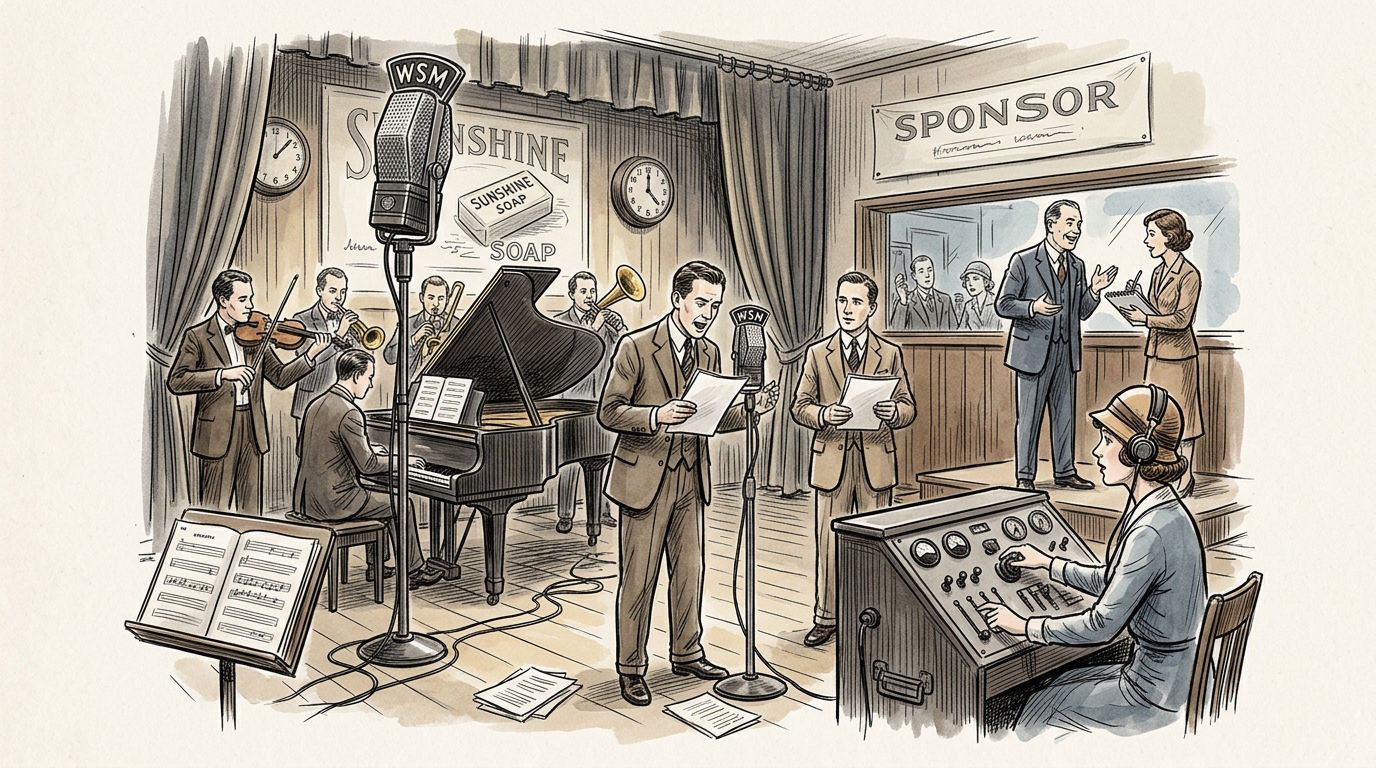
How Radio Changed Advertising
Commercial radio revolutionized advertising by shifting focus from visual to auditory persuasion, integrating brand identity with domestic routines. It established innovative practices for agencies, such as audience measurement and scheduled programming, while fostering deeper relationships between advertisers and content. This evolution laid the groundwork for modern advertising in electronic media.
-
How the Agency Commission System Shaped Advertising
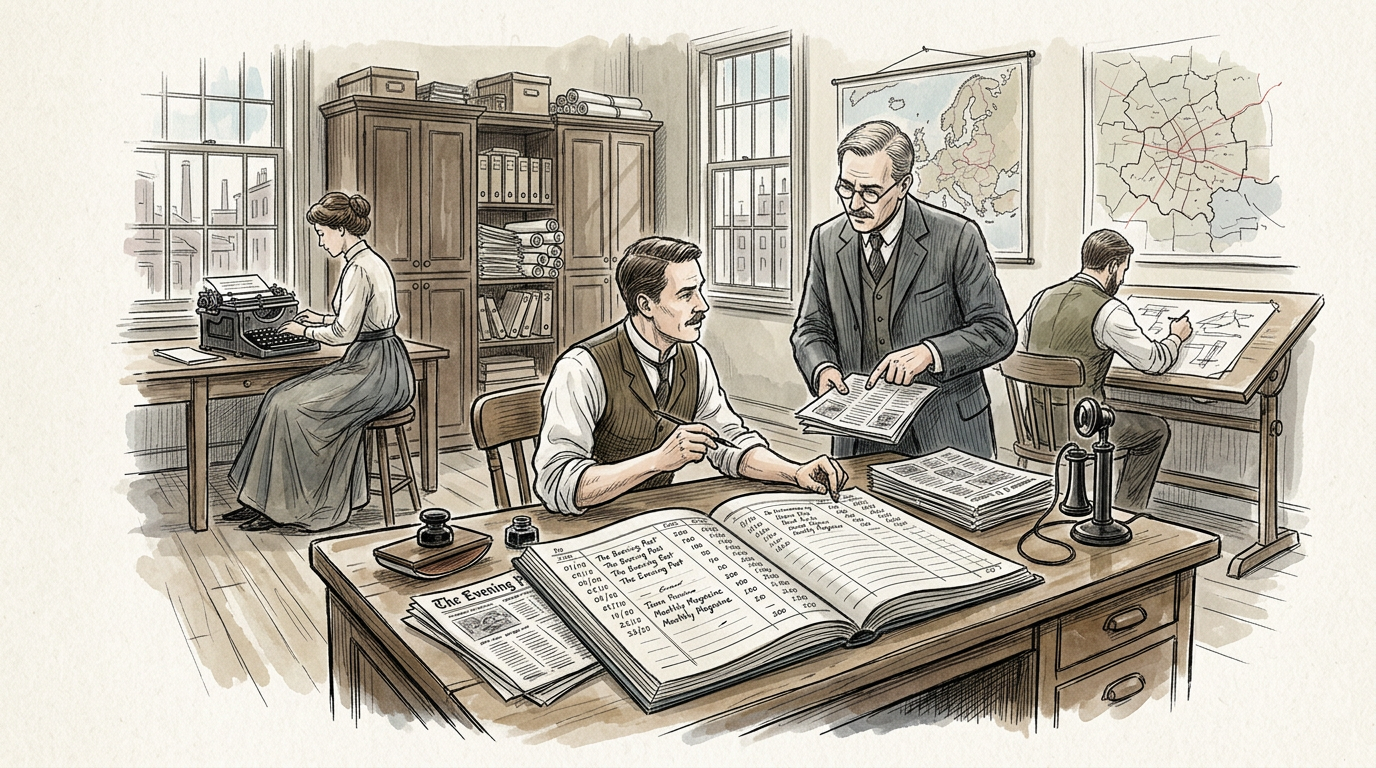
The agency commission system, established in the 19th century, shaped the advertising landscape by linking agency earnings to media spending, primarily a 15 percent commission. This model enabled the growth of full-service agencies and specialized roles but also led to conflicts of interest and transparency issues. Its legacy continues to influence modern agency compensation.
-
How Account Management Became an Advertising Discipline
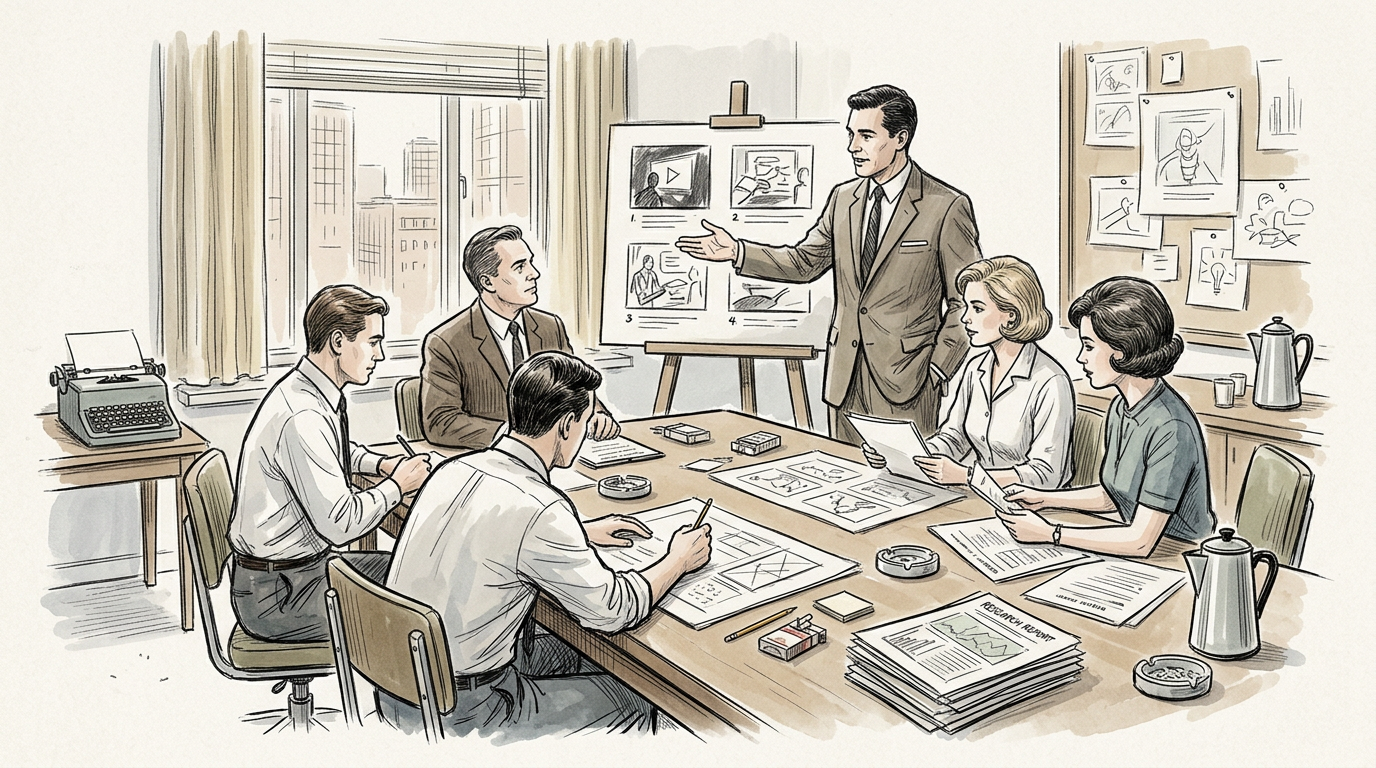
Account management has evolved from simple media brokerage in the 19th century into a professional discipline crucial for navigating complex advertising campaigns. As agencies expanded services and clients demanded comprehensive strategies, the role of account executives emerged, balancing client needs and agency creativity. This evolution mirrors the advertising industry’s development into a sophisticated profession.