
Category: Advertising History
Advertising History examines the campaigns, agencies, personalities, technologies, creative movements, and business practices that shaped the advertising profession. The section connects historical developments with the ideas, institutions, and practices that continue to influence advertising today.
-
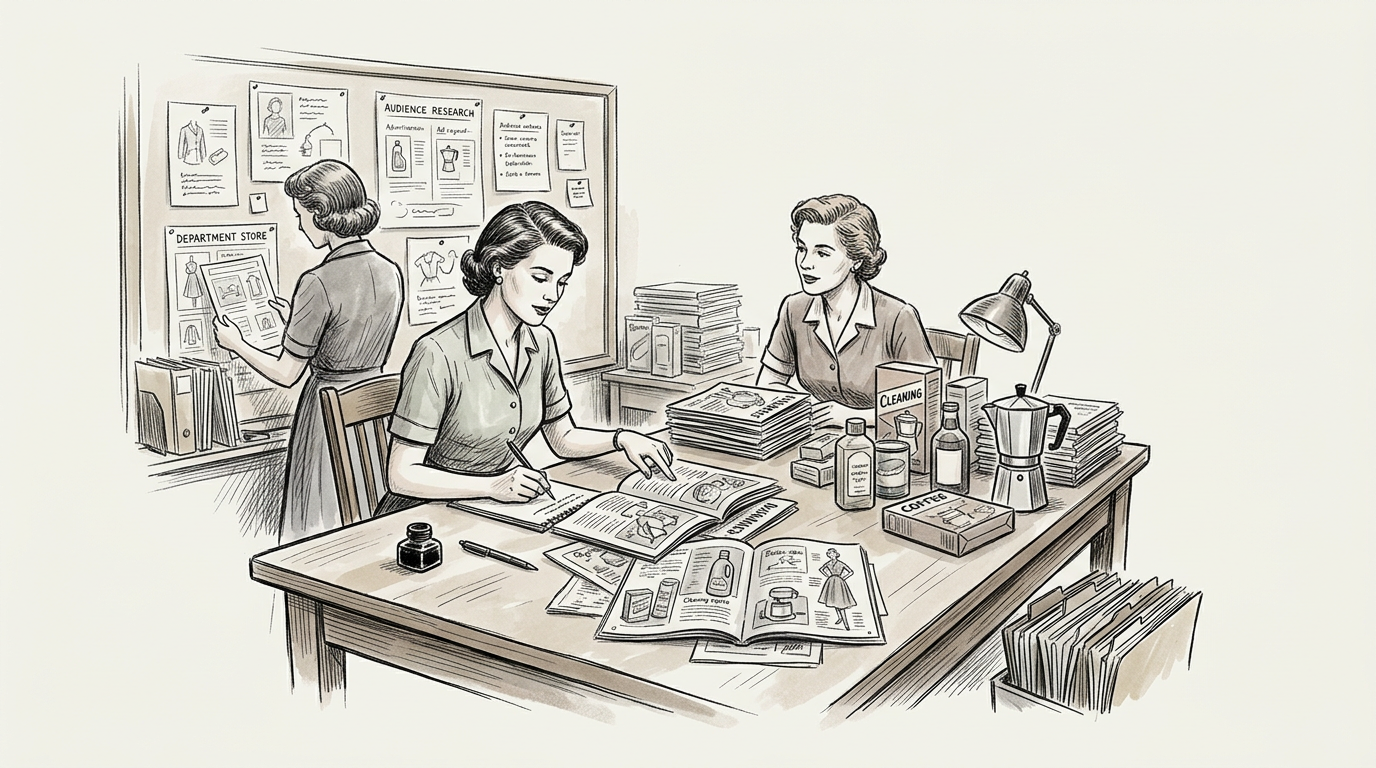
How Advertising Learned to Speak to Women as Consumers
In the early twentieth century, American advertising shifted focus to women shoppers, reflecting their purchasing power while confining them to narrow social roles. Changes in retail and media allowed advertisers to target women more effectively, leading to the development of specialized campaigns that revealed both market segmentation and problematic stereotypes, influencing modern advertising practices.
-
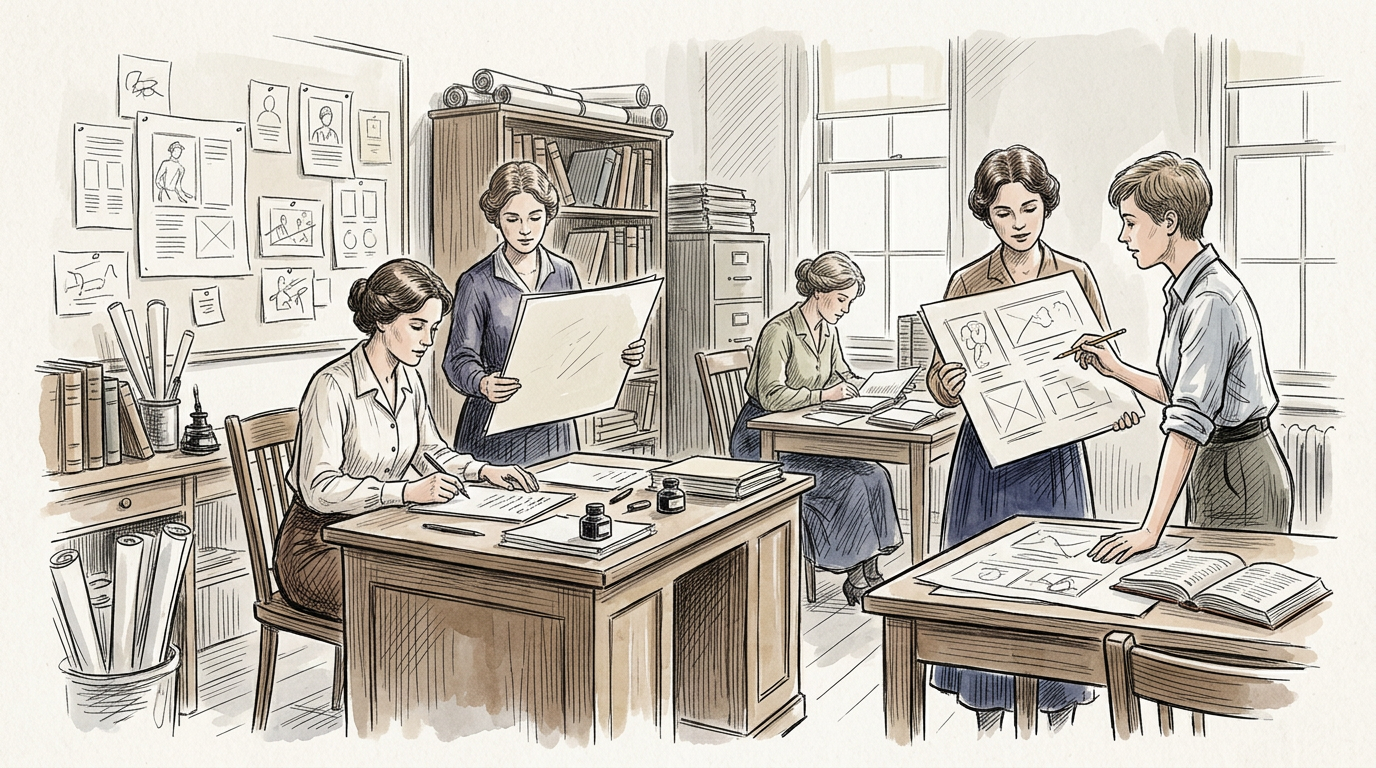
The Women Who Helped Build Early Advertising
In the late nineteenth and early twentieth centuries, women played a pivotal role in shaping advertising as a profession. Though often confined to supportive roles, their contributions as copywriters, researchers, and illustrators helped define modern advertising practices. Despite their influence, gender hierarchies limited their authority and recognition in the industry.
-
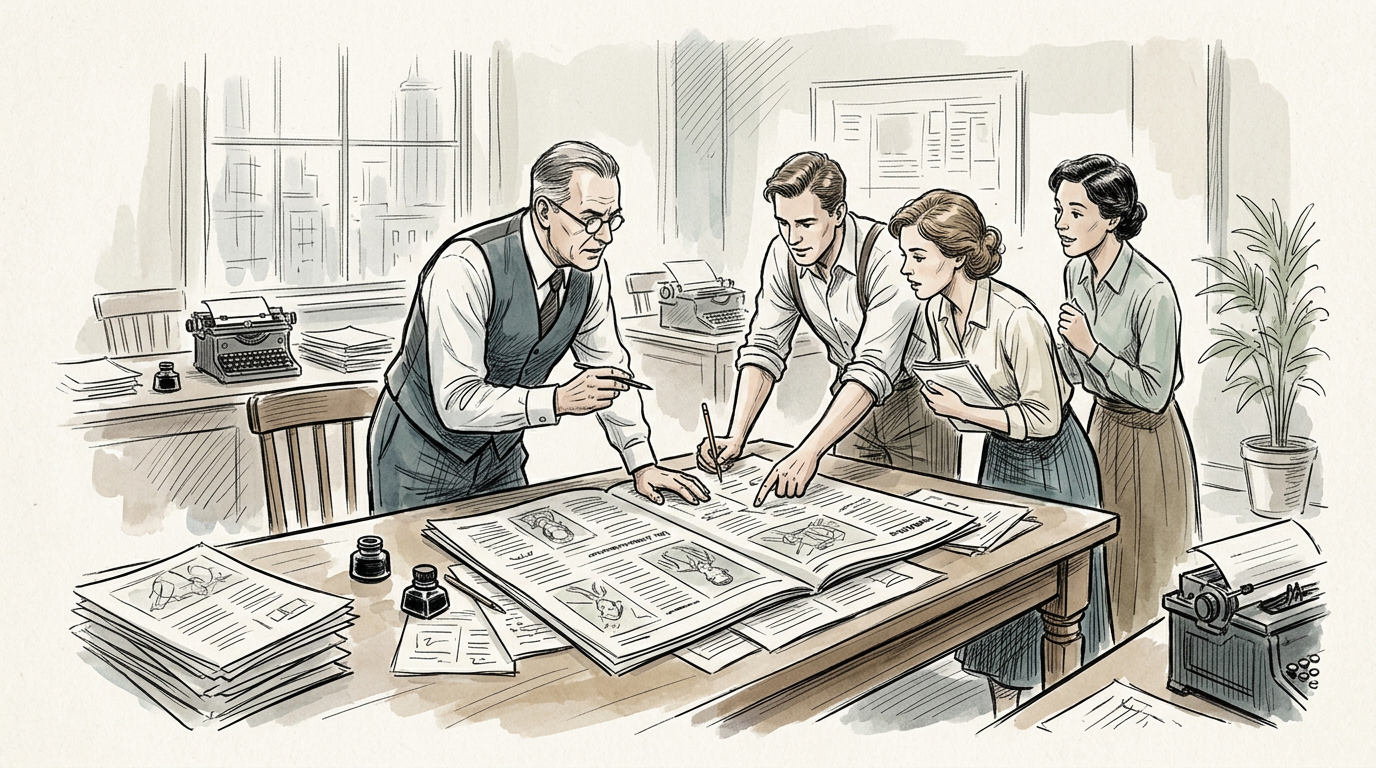
How Albert Lasker Helped Redefine the Advertising Agency
In the early twentieth century, advertising evolved from mere media brokerage to a strategic discipline under Albert Lasker at Lord & Thomas. He emphasized “salesmanship in print,” transforming copywriting into a persuasive tool aligned with clients’ business objectives. Lasker’s legacy shaped modern advertising’s professional standards and agency-client dynamics significantly.
-
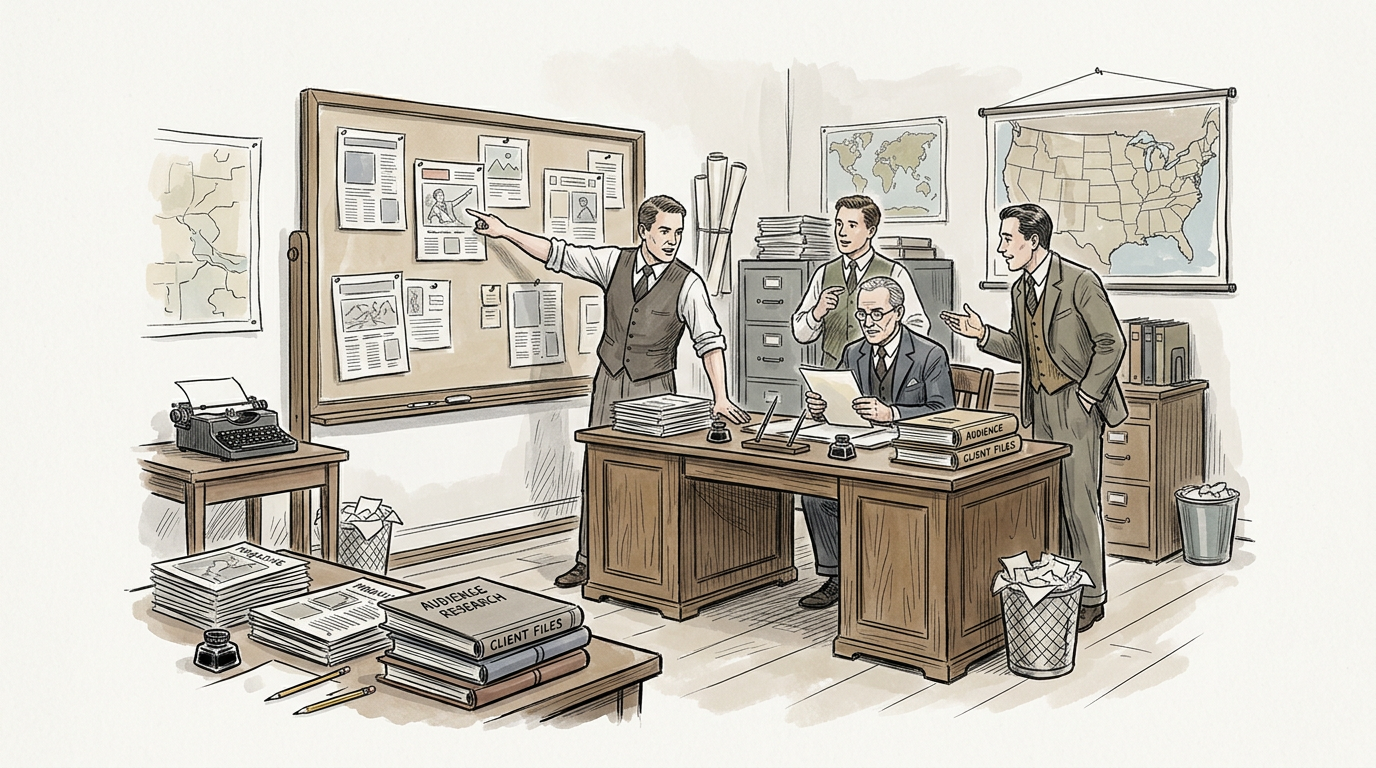
How J. Walter Thompson Helped Build the National Advertising Business
J. Walter Thompson (JWT) played a crucial role in developing national advertising in the U.S., emerging as a full-service agency that combined media buying, creative services, and client management. Its evolution facilitated the transition from simple space brokerage to an organized professional service, setting standards and practices still influential in modern advertising.
-
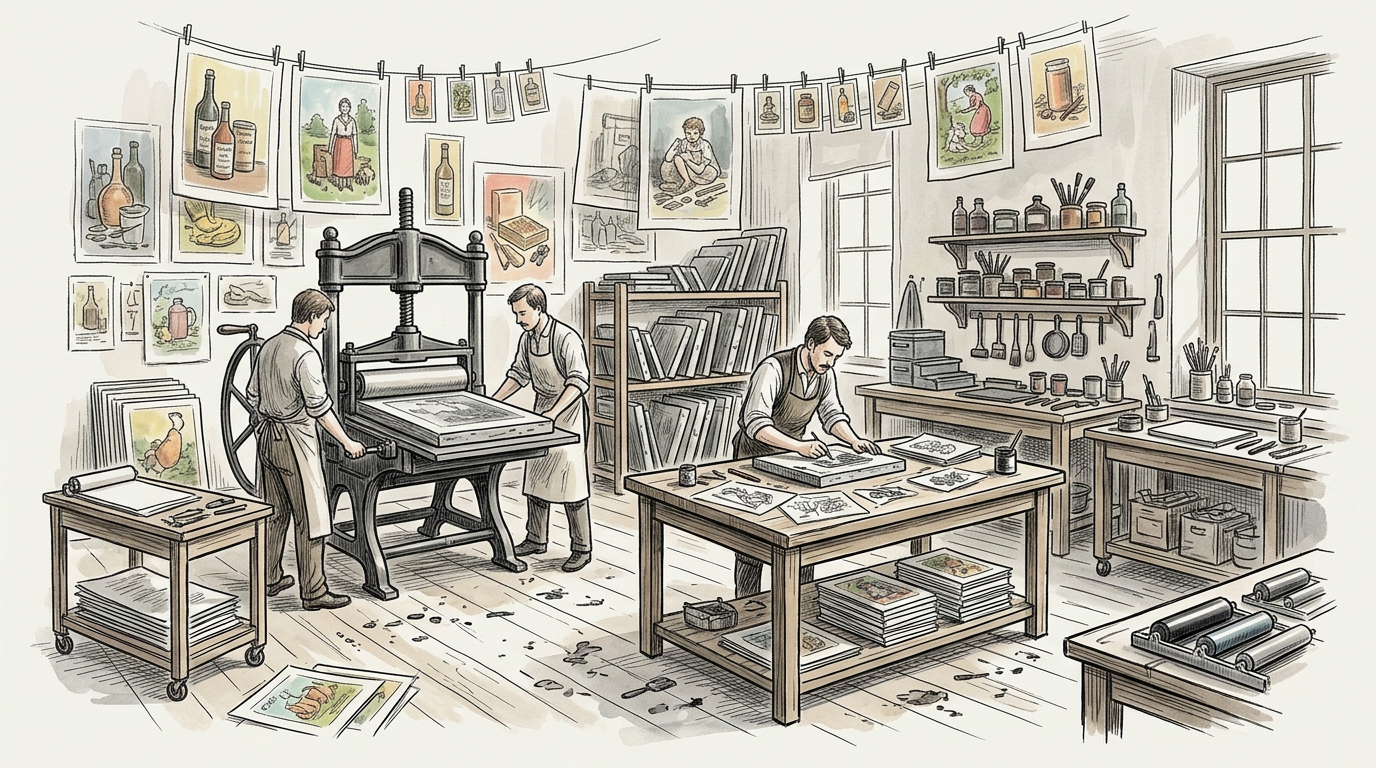
How Color Lithography Changed Advertising
In the nineteenth century, color lithography revolutionized advertising by enabling vivid, large-scale images to be produced commercially. This technology shifted advertising from typographic methods to visually impactful formats like posters and trade cards, enhancing brand recognition and prompting a strategic focus on visual identity, ultimately transforming consumer engagement with products.
-

How Scientific Advertising Changed the Profession
Claude C. Hopkins’ 1923 book, “Scientific Advertising,” marked a significant shift in advertising by advocating for a methodical approach that emphasized measurable results over artistic creativity. This concept transformed advertising into a profession focused on accountability, testing, and consumer behavior. Its principles continue to influence modern marketing strategies and practices.
-

The Early History of Outdoor Advertising in America
Outdoor advertising in the U.S. evolved from informal practices to a distinct medium as transportation networks grew and printing technologies advanced. By the early 20th century, standardization emerged, with trade organizations and regulations addressing public concerns about clutter. This history laid the foundation for modern outdoor advertising’s structured, location-based strategies.
-

How Copywriting Became a Profession
The evolution of advertising copywriting transformed it from a basic merchant practice into a specialized profession. As advertising progressed to become a strategic tool, copywriters developed skills to persuade audiences through tailored messaging. With the growth of agencies and media, copywriting became a formalized discipline, emphasizing accountability, audience understanding, and measurable outcomes.
-
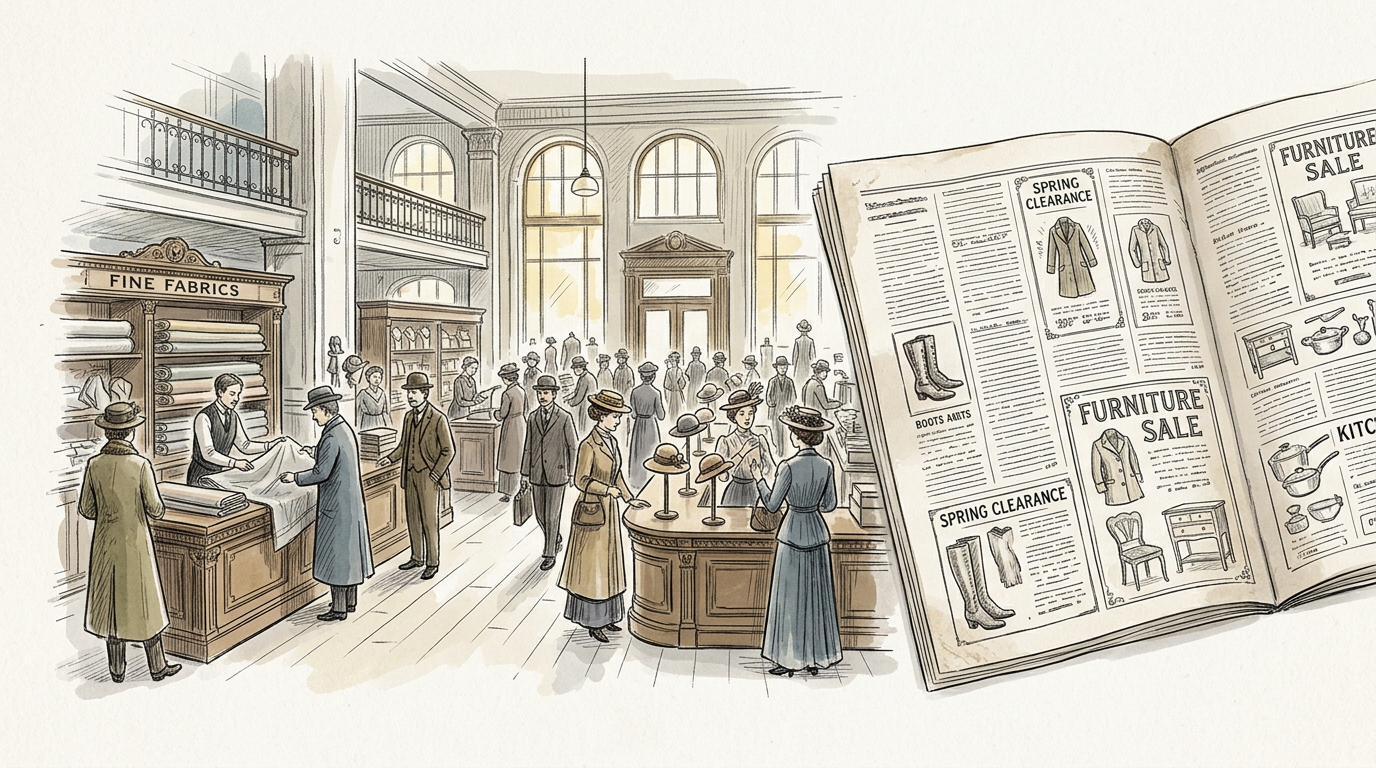
How Department Stores Changed Newspaper Advertising
In the nineteenth century, department stores transformed newspaper advertising from modest merchant notices into substantial promotional campaigns. Their scale required frequent advertising, reshaping how retailers sold goods and how consumers engaged with ads. This evolution established a structured relationship between newspapers and retail, laying the groundwork for modern advertising practices.